Best Drill for Installing Closet Shelves Without Studs (2025 Guide – Strong & Level Installation)

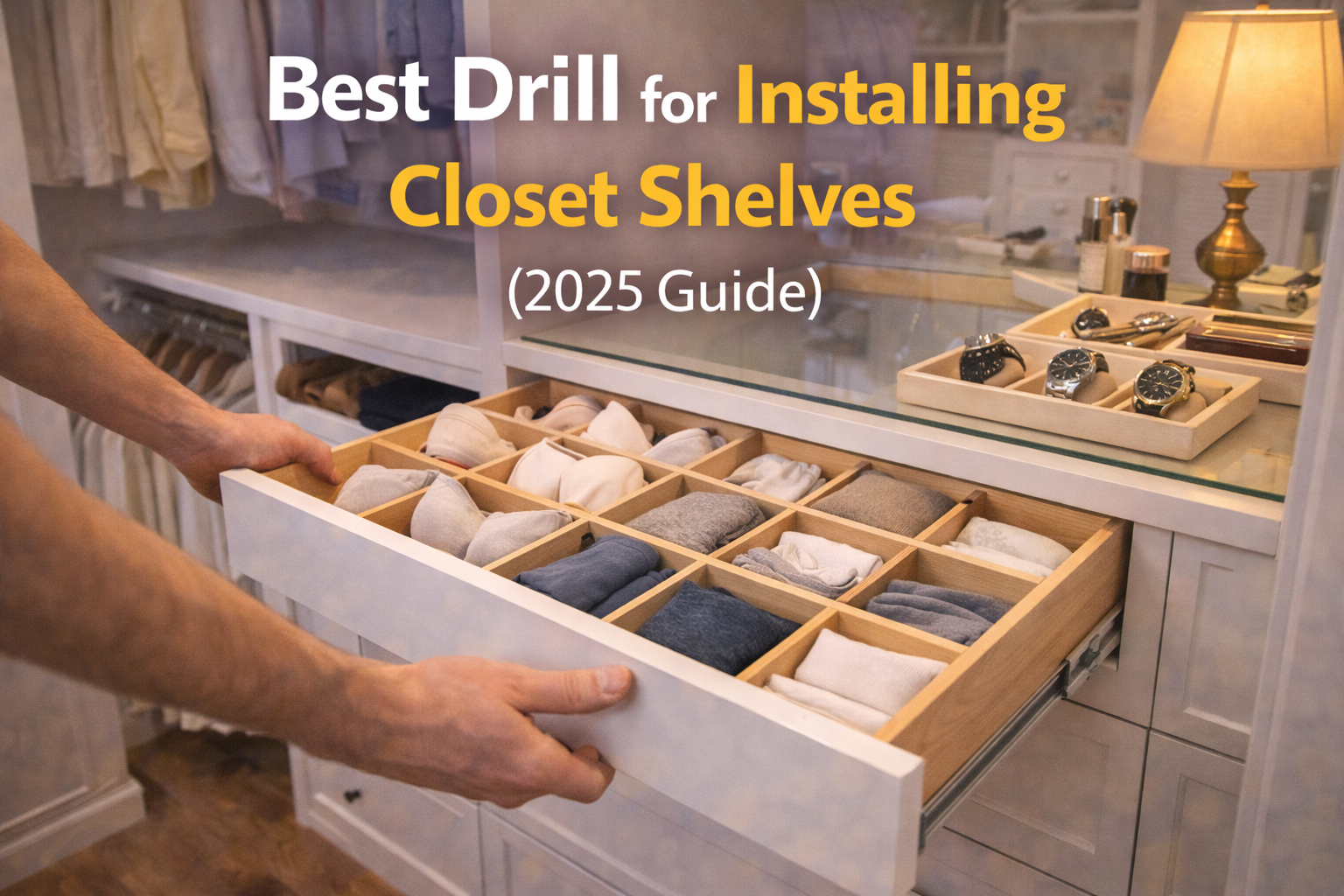
The best drill for installing closet shelves without studs is one that gives you precise control, keeps anchor holes tight, and helps you avoid common drywall mistakes that lead to loose or uneven shelves.
Closet shelves may look simple, but they are one of the most frustrating installs in an apartment.
You’re usually working:
- inside a narrow space
- at awkward angles
- without studs where you actually need them
And once the shelf is installed, it carries real weight:
- folded clothes
- storage boxes
- shoes
- everyday items
If the anchor is even slightly loose, the shelf will eventually sag or pull away from the wall.
That’s why choosing the best drill for installing closet shelves without studs is critical if you want a stable and long-lasting result.
ℹ️ This article contains affiliate links. If you purchase through them, we may earn a small commission at no extra cost to you.
Quick Recommendation
Installing closet shelves without studs? Choose a drill that keeps your anchor holes tight and prevents wall damage.
Check Price on AmazonWhy Closet Shelf Installation Fails Without Studs
Closet shelves fail for one main reason:
👉 the hole is slightly too large
That tiny mistake leads to:
- weak anchor grip
- shelf sagging
- uneven brackets
- long-term failure
The best drill for installing closet shelves without studs helps prevent that by giving you better control during drilling.
According to installation guidelines from closet shelves should always be mounted with proper wall anchors or directly into studs for maximum strength.
Best Drill for Installing Closet Shelves Without Studs Shelves
1. Bosch PS31-2A — Best Overall for Closet Shelf Precision
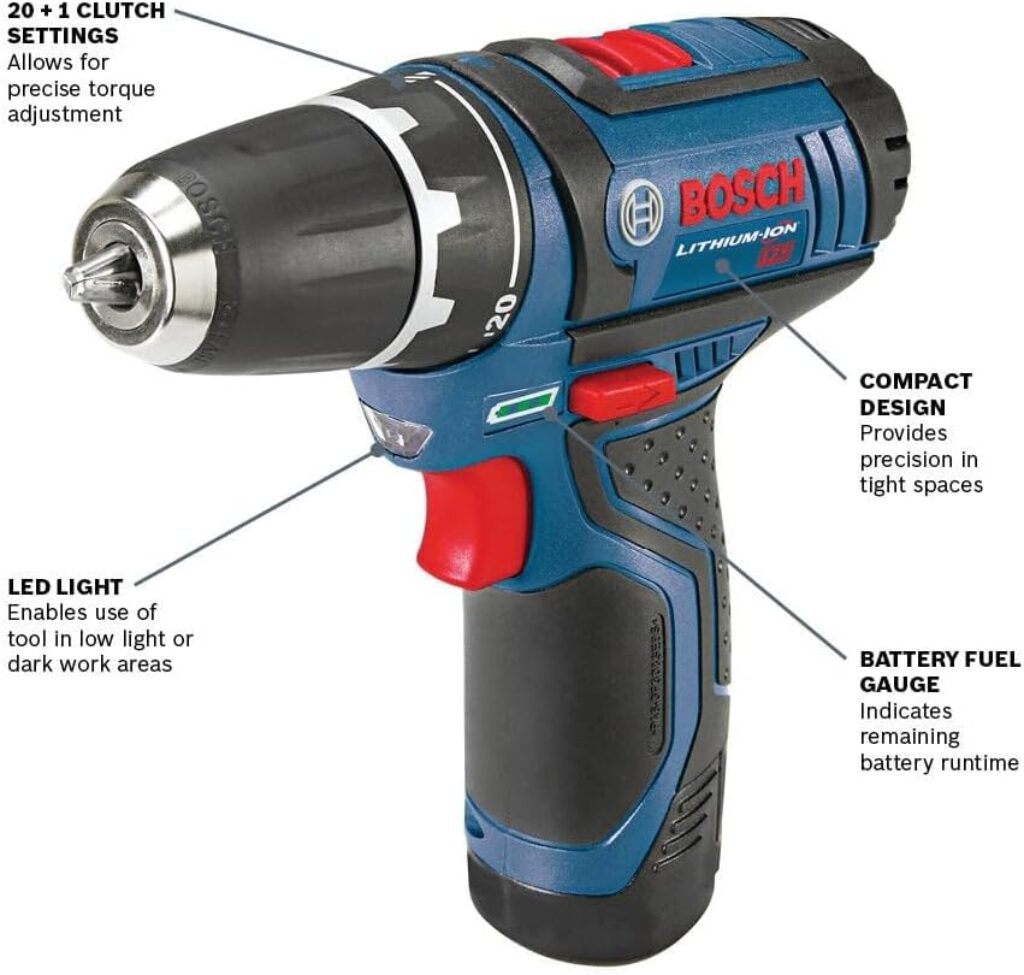
If you want a clean, level closet shelf installation without risking drywall damage, the Bosch PS31-2A is one of the safest drills you can use.
Closet work is tricky because you’re not drilling in an open space. You’re often inside a tight area, trying to keep your drill straight while also watching alignment marks. A drill that feels jumpy or too aggressive makes that much harder.
This is where the Bosch stands out.
When you press the trigger, it starts smoothly instead of jerking forward. That gives you a crucial moment to stabilize your hand and align the bit. For drywall anchors, that moment is everything.
In real-world use, this drill helps you:
- drill tight, clean anchor holes
- keep brackets aligned properly
- avoid cracking drywall edges
- maintain consistent depth
Another major advantage is how lightweight it feels. When working inside a closet, you often need to hold the drill at uncomfortable angles. A heavier drill can make your hand drift slightly, which leads to misaligned holes.
This one stays stable and easy to control.
This drill is ideal for:
- closet shelving systems
- wardrobe installations
- apartment storage upgrades
If you’re looking for the best drill for installing closet shelves without studs, this is one of the easiest ways to avoid costly mistakes.
2. Makita FD07R1 — Best for Tight Closet Spaces
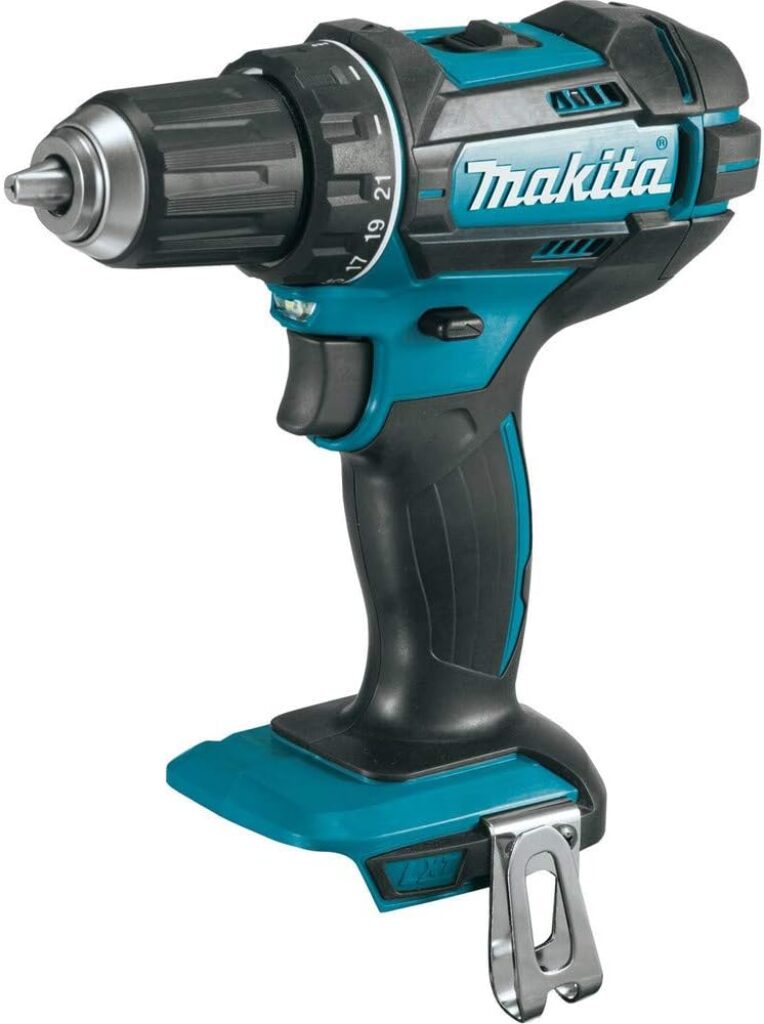
Closets are rarely spacious, and that’s exactly where the Makita FD07R1 shines.
Its compact design makes it much easier to maneuver inside narrow spaces where a larger drill would feel awkward. When you’re installing shelves inside a closet, you often have very little room to adjust your angle, so tool size matters more than most people expect.
This drill also feels extremely smooth during operation.
That smoothness translates directly into better accuracy. You can start drilling slowly, keep the bit centered, and avoid slipping — which is critical when working on visible drywall.
In real use, this drill is excellent for:
- small closet shelves
- tight installation areas
- precise bracket alignment
- clean drywall work
It does not have the strongest torque, but that is actually an advantage here. Less aggressive power means fewer mistakes.
If your main goal is a clean, controlled installation inside a tight closet, this is one of the best choices for the best drill for installing closet shelves without studs.
3. DEWALT DCD791B — Best Versatile Option for Storage Projects
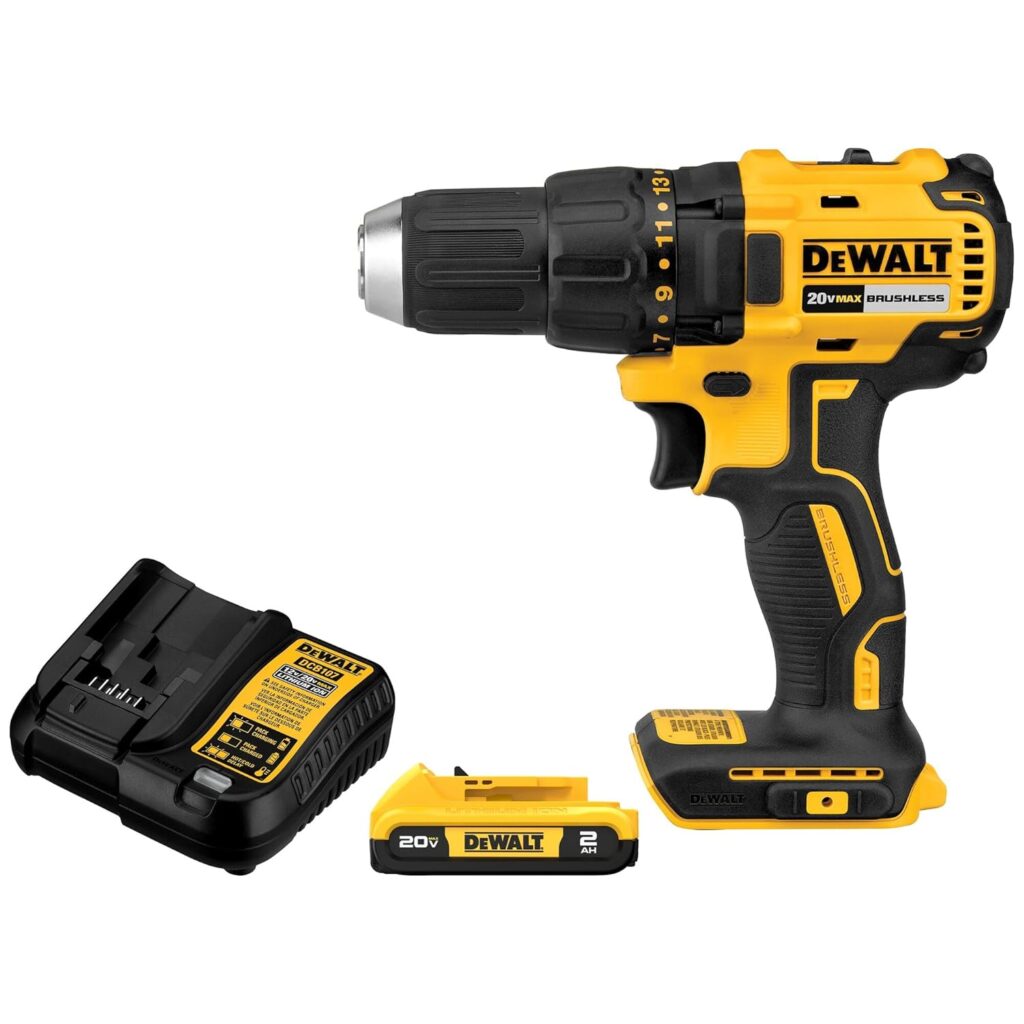
f you want a drill that can handle closet shelves and many other home projects, the DEWALT DCD791B is a strong choice.
This drill gives you more power, which can be useful when installing:
- larger closet systems
- heavier storage shelves
- thicker mounting hardware
However, that power needs to be controlled.
When working with drywall anchors, it’s easy to:
- drill too fast
- enlarge the hole
- weaken anchor strength
To use this drill effectively, you should:
- use low speed
- adjust the clutch
- apply steady pressure
When used correctly, it provides a great balance between strength and usability.
The biggest advantage is versatility. After installing your closet shelves, you can use this drill for:
- wall shelves
- curtain rods
- furniture assembly
For users who want one tool for multiple projects, this is a strong option.
4. Ryobi ONE+ HP — Best Budget Option
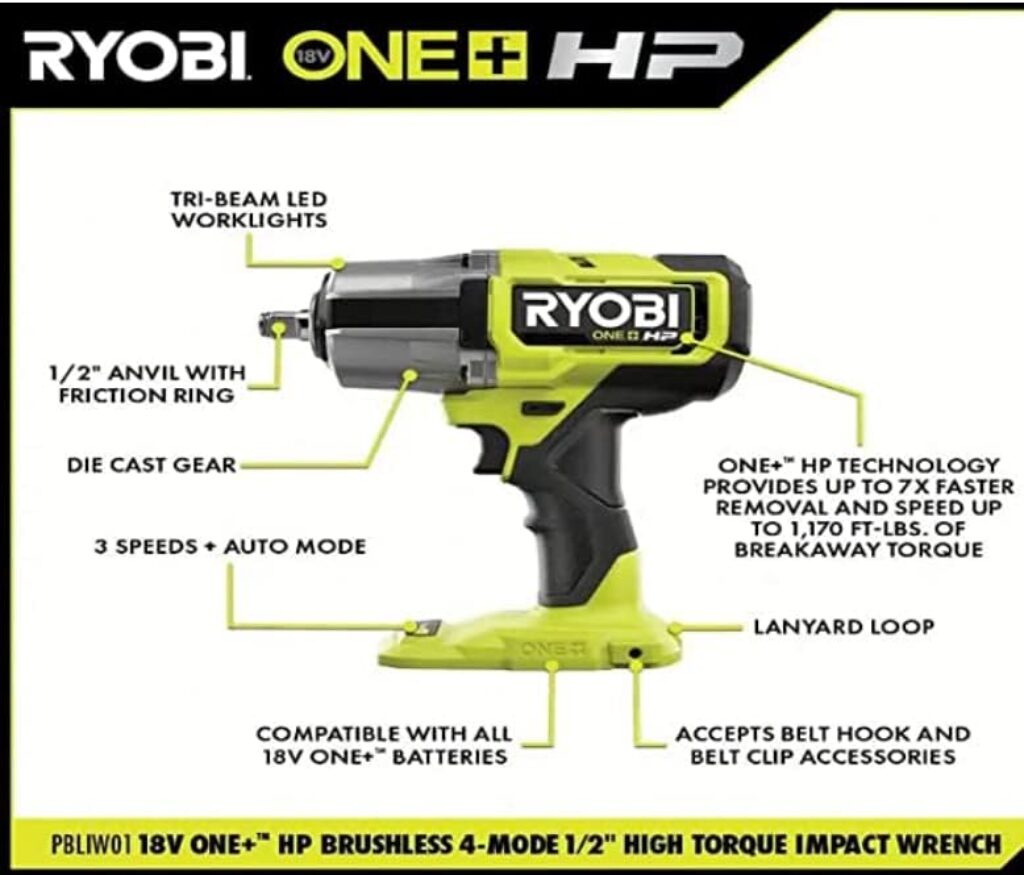
If you’re working with a limited budget, the Ryobi ONE+ HP is a practical choice for light to medium closet shelf installation.
This drill is simple, easy to use, and beginner-friendly.
That simplicity actually helps reduce mistakes. When you’re not fighting the tool, you’re more likely to drill slowly and stay accurate.
The clutch system is useful for preventing over-tightening, which helps protect drywall anchors.
In real-world use, it works well for:
- light closet shelves
- basic storage setups
- occasional DIY upgrades
However, it requires patience. The trigger is not as smooth as higher-end models, so you need to drill slowly and maintain steady pressure.
For budget users, this is a solid entry-level option.
Tips for Installing Closet Shelves without studs
Even with the best drill for installing closet shelves, following proper installation steps is essential.
Measure shelf placement carefully
Mark bracket positions evenly before drilling.
Use drywall anchors
Anchors prevent shelves from pulling out of drywall.
Drill pilot holes
Pilot holes help screws go in straight and prevent wall damage.
If you’re installing floating shelves instead, see our guide to best drill for installing floating shelves.
Drill vs Impact Driver for Shelf Installation without studs
Impact drivers produce strong torque but can overtighten screws and damage anchors.
A cordless drill offers better control for installing shelf brackets and is usually the better choice.
If you’re unsure which tool to choose, read our comparison of cordless drill vs impact driver.
Who Should Buy a Drill for Installing Closet Shelves without studs
The best drill for installing closet shelves is ideal for:
- DIY closet organization
- installing bedroom storage systems
- building custom closet layouts
- improving home storage solutions
If you’re new to power tools, you may also want to read our guide to best drill for beginners.
Step-by-Step: Installing Closet Shelves Without Studs
- Choose heavy-duty drywall anchors
- Mark bracket positions carefully
- Drill slowly and steadily
- Insert anchors tightly
- Install brackets and test weight gradually
According to Family Handyman, most drywall failures come from incorrect hole size — not the anchor itself.
FAQ
What is the best drill for installing closet shelves without studs?
A lightweight drill with smooth control and adjustable clutch is best.
Can drywall hold closet shelves?
Yes, with proper anchors and correct installation.
Should I use a hammer drill?
No, it can damage drywall and weaken anchors.
Why do closet shelves sag over time?
Usually due to loose anchors or oversized holes.
Final Verdict
Installing closet shelves without studs is all about precision.
The best drill for installing closet shelves without studs is the one that helps you drill accurately, protect the wall, and keep your anchors tight over time.
👉 If you want the safest and easiest option, go with the Bosch PS31-2A
👉 If you need compact control, choose the Makita FD07R1
👉 If you want versatility, the DEWALT DCD791B is a great long-term tool
A small mistake during drilling can lead to long-term problems, so choosing the right drill is not just about convenience — it’s about getting the job done right the first time.