
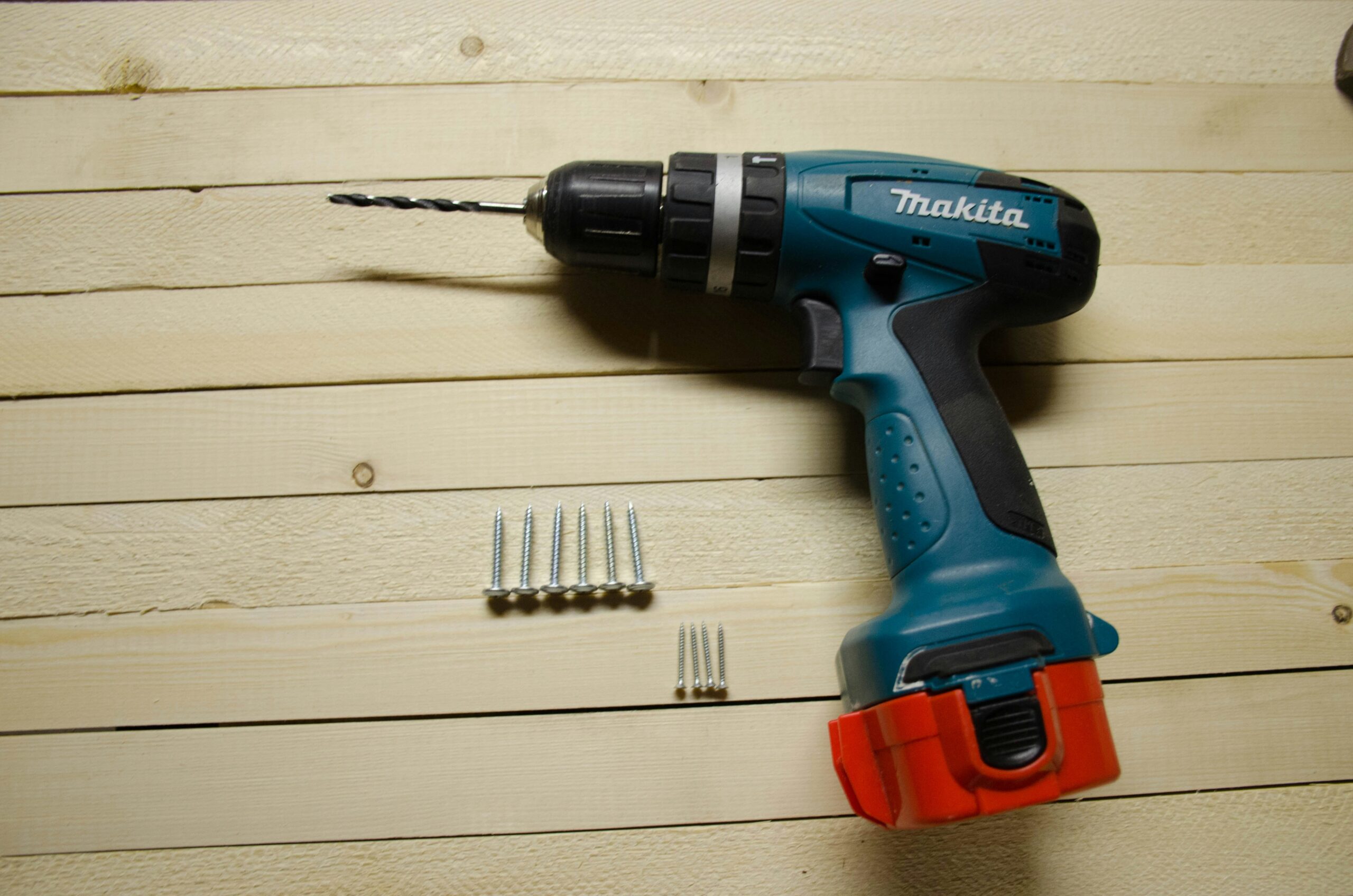
The debate between a cordless drill and an impact driver is one of the most common questions among DIY enthusiasts. While both tools may look similar, they serve different purposes and deliver power in different ways.
When comparing a cordless drill vs impact driver, most beginners get confused about torque, speed, and real-world use cases. This guide explains the true differences so you can confidently choose the right tool.
👉 If you’re planning to buy your first tool, this comparison will help you avoid choosing the wrong one — and point you toward the best cordless drill for your actual home projects .
For years, professionals and home users alike have relied on both tools, but understanding their mechanical differences helps prevent costly buying mistakes.
Understanding cordless drill vs impact driver differences helps you avoid buying the wrong tool.
Cordless Drill vs Impact Driver: Quick Comparison
| Feature | Cordless Drill | Impact Driver |
|---|---|---|
| Best For | Drilling holes | Driving screws |
| Torque | Moderate | High |
| Chuck Type | Keyless chuck | Hex collet |
| Precision | Better control | More power |
| Noise | Quieter | Louder |
💡 Still unsure which one you need? Most homeowners actually start with a cordless drill because it’s more versatile for everyday tasks.
Cordless Drill vs Impact Driver: Which One Is Better for DIY?
When comparing cordless drill vs impact driver for DIY work, the better choice depends on whether you need cleaner drilling, better control, or stronger fastening power.
What Is a Cordless Drill Best For?
- Drilling holes
- Light fastening
- General DIY
If you’re looking for a reliable model, check our guide to the best cordless drill to see top picks for real home use.
What Is an Impact Driver Best For?
- Driving long screws
- Deck building
- Lag bolts
For beginners choosing their first model, check our recommended impact drivers for beginners.
👉 But if you’re not doing heavy-duty fastening regularly, a cordless drill is usually the better first tool for most homeowners.
Power and Torque Differences
- Rotational vs rotational + impact
- RPM vs torque
- Clutch vs no clutch
🔹 Rotational vs Rotational + Impact
A cordless drill operates using continuous rotational force. This makes it ideal for drilling clean holes and driving screws with controlled pressure.
An impact driver, however, combines rotational force with rapid concussive impacts. This “hammering” action increases torque dramatically, allowing it to drive long screws into dense materials without stalling.
The key difference lies in how the force is delivered: drills focus on smooth rotation, while impact drivers deliver bursts of power when resistance increases.
🔹 RPM vs Torque
Cordless drills typically offer higher RPM (revolutions per minute), which makes them better for drilling precise holes in wood, plastic, or metal.
Impact drivers generally produce lower RPM but significantly higher torque. This makes them far more effective for driving long screws, lag bolts, or working in hardwood.
If you’re comparing beginner-friendly options for everyday DIY use, our budget cordless drill guide explains how torque ratings affect real-world performance.
🔹 Clutch vs No Clutch
Most cordless drills include an adjustable clutch. This allows users to control torque levels and prevent overdriving screws — especially helpful for beginners working with delicate materials.
Impact drivers typically do not have a traditional clutch system. Instead, they rely on impact force to transfer power efficiently once resistance increases.
For general home projects where precision matters, a drill often provides better control. For heavy-duty fastening tasks, an impact driver delivers unmatched efficiency.
Understanding the cordless drill vs impact driver difference in torque and power delivery helps you choose the right tool for your specific projects.
If you’re on a budget, you may also want to check our detailed guide on the best cordless drill under $150 for affordable home use.
How the Impact Mechanism Actually Works
To fully understand the cordless drill vs impact driver difference, it helps to look at how the internal mechanisms operate.
A cordless drill uses a direct-drive motor. The motor turns the chuck continuously, delivering steady rotational force. When resistance increases, the motor slows down and may stall if the torque limit is reached.
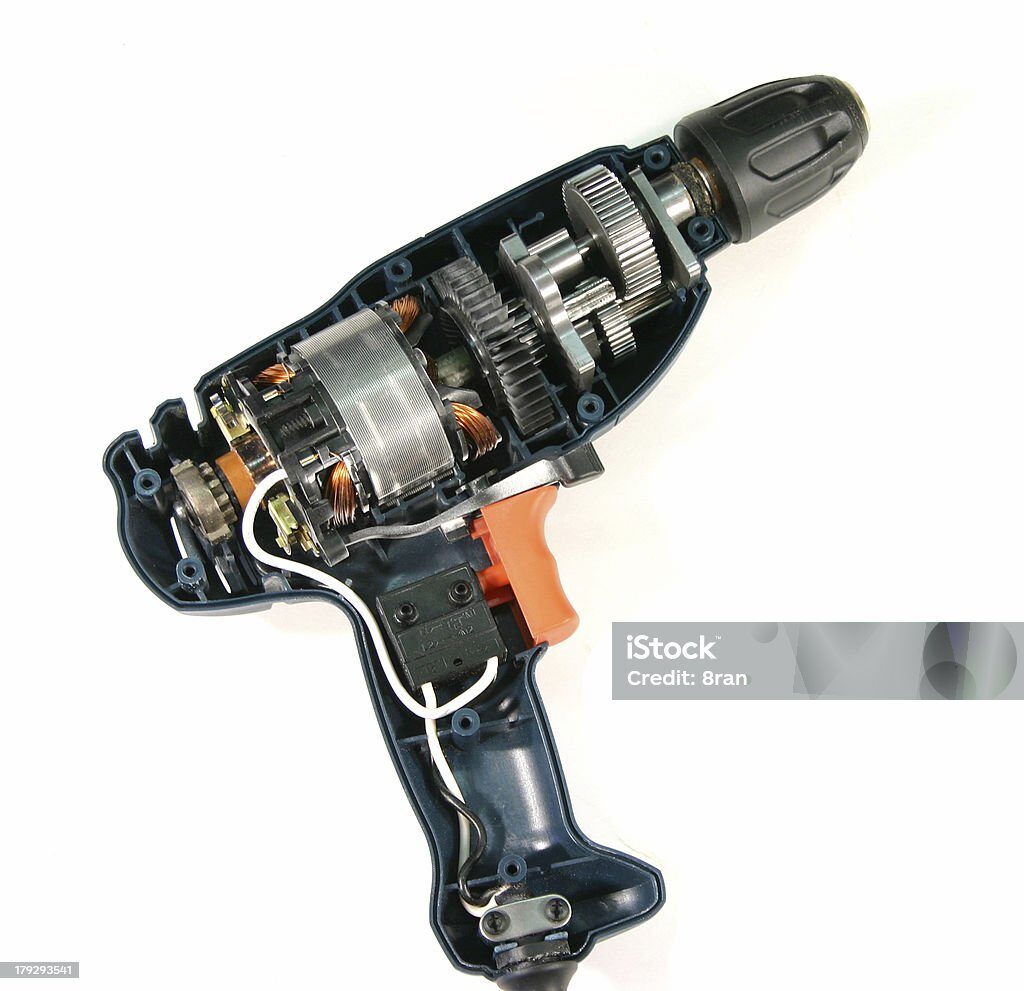
An impact driver works differently. Inside the tool, a spring-loaded hammer-and-anvil mechanism engages when resistance increases. Instead of simply rotating, the tool delivers rapid bursts of rotational impact force. This allows the motor to keep spinning efficiently while transferring additional torque through controlled impacts.
This design reduces strain on the user’s wrist and prevents the motor from bogging down during heavy fastening tasks.
For a technical breakdown of impact mechanisms, see this explanation from Popular Mechanics.
Which Tool Should You Buy?
If you’re deciding between a cordless drill vs impact driver, the right choice depends on what you actually plan to do.
👉 Choose a cordless drill if:
- You need one versatile tool for home use
- You drill holes and install anchors regularly
- You assemble furniture or install shelves
- You want better control and cleaner results
👉 Choose an impact driver if:
- You drive long screws frequently
- You work with hardwood or construction materials
- You need maximum torque and speed
💡 For most homeowners, the best starting point is still a cordless drill — because it handles the widest range of everyday tasks.
Can You Replace One With the Other?
In some situations, one tool can temporarily replace the other — but they are not fully interchangeable.
A cordless drill can handle light fastening tasks, such as driving small screws into softwood or assembling furniture. For many beginners, a drill alone is enough for general home projects.
However, when it comes to driving long screws, lag bolts, or working with dense hardwood, an impact driver delivers significantly more torque and efficiency. Using only a drill for heavy-duty fastening may lead to stripped screws or motor strain.
On the other hand, while an impact driver can drill small holes with hex-shank bits, it does not offer the same precision and control as a standard drill with a keyless chuck.
For most DIYers, starting with a cordless drill is often the most practical choice. As projects become more demanding, adding an impact driver can greatly improve efficiency.
👉 If you’re not sure which model to choose, see our full guide to the best cordless drill for real-world DIY use.
Real-World Use Cases
When comparing a cordless drill vs impact driver in real-world DIY projects, task type and material make a significant difference.
In real-world DIY situations, choosing between a drill and an impact driver often depends on the type of material and task.
For example, assembling IKEA furniture, installing curtain rods, or drilling pilot holes for wall anchors can be easily handled with a cordless drill.
However, building a deck, driving structural screws into hardwood, or fastening long screws repeatedly will be significantly easier with an impact driver. The higher torque and impact action prevent cam-out (when the screw slips) and reduce physical effort.
Contractors often carry both tools because they serve complementary purposes: one drills, the other drives.
💡 Most DIYers eventually realize this: a cordless drill handles 80% of home projects, while an impact driver is only needed for heavier tasks.
Material Considerations
Material type also plays a major role in deciding which tool to use.
For softwood and drywall, a cordless drill provides enough power while offering better control. The adjustable clutch helps prevent overdriving screws and damaging surfaces.
For hardwood, pressure-treated lumber, or construction framing, an impact driver performs more efficiently. Its impact mechanism allows screws to penetrate dense material without excessive user force.
When working with metal, a drill is typically preferred for drilling holes, while an impact driver is more suitable for fastening metal screws.
This is where the cordless drill vs impact driver comparison becomes important.
Battery Efficiency and User Fatigue
Battery efficiency and user comfort are often overlooked in the cordless drill vs impact driver comparison.
Because impact drivers rely on rotational bursts rather than constant torque output, they often consume battery power more efficiently during heavy fastening tasks.
Additionally, the impact mechanism reduces kickback. This makes impact drivers easier on the wrist when driving long screws. In contrast, drills may twist suddenly when encountering resistance, especially in lower-end models.
For extended DIY sessions, having the right tool can significantly reduce fatigue and improve overall productivity.
By now, the cordless drill vs impact driver difference should be much clearer.
Frequently Asked Questions
Can I drill with an impact driver?
Yes, but only for light drilling and with the right bits. An impact driver can drill small holes using hex-shank drill bits, but it’s not as precise or smooth as a cordless drill—especially in metal or when you need clean, accurate holes.
If drilling holes is your main task (wood, drywall, metal), a cordless drill is the better tool. Use an impact driver mainly for driving screws and fasteners where high torque matters.
Do I need both tools?
Not always. Many beginners can start with just a cordless drill because it’s the most versatile tool for everyday DIY tasks.
However, owning both makes sense if you often:
- Drive long screws (decking, framing, furniture builds)
- Work with dense wood or construction materials
- Build projects regularly and want faster, easier fastening
A common setup is: cordless drill for drilling + impact driver for fastening.
Which is better for beginners?
For most beginners, a cordless drill is the best starting point. It’s easier to control, works for drilling holes, and can handle light fastening with an adjustable clutch to prevent overdriving screws.
Choose an impact driver first only if your projects are mostly fastening—like building shelves, driving lots of screws, or working with thicker wood—where higher torque saves time and effort.
Is a cordless drill enough for home use?
Yes. For most homeowners, a cordless drill is enough to handle furniture assembly, shelves, drywall anchors, and general repairs.
Should I buy a drill or impact driver first?
If you’re a beginner, start with a cordless drill. It’s more versatile and easier to control for most DIY tasks.
Final Verdict
The cordless drill vs impact driver debate is not about which tool is better — it’s about which tool fits your needs.
If you’re working on everyday home projects like installing shelves, hanging curtain rods, assembling furniture, or drilling into drywall, a cordless drill is usually the better first choice.
👉 It offers better control, cleaner drilling, and more versatility for typical DIY tasks.
Impact drivers are powerful and efficient — but they are more specialized tools designed for heavy-duty fastening.
👉 If your projects involve long screws, hardwood, or repeated fastening, an impact driver becomes extremely useful.
💡 For most homeowners, the smartest setup is:
- Start with a cordless drill
- Add an impact driver later if needed
👉 If you’re ready to choose, see our full guide to the best cordless drill here to find the right model for your projects.