Best Drill for Installing Drywall Anchors (2025 Guide – No Cracks or Loose Screws)

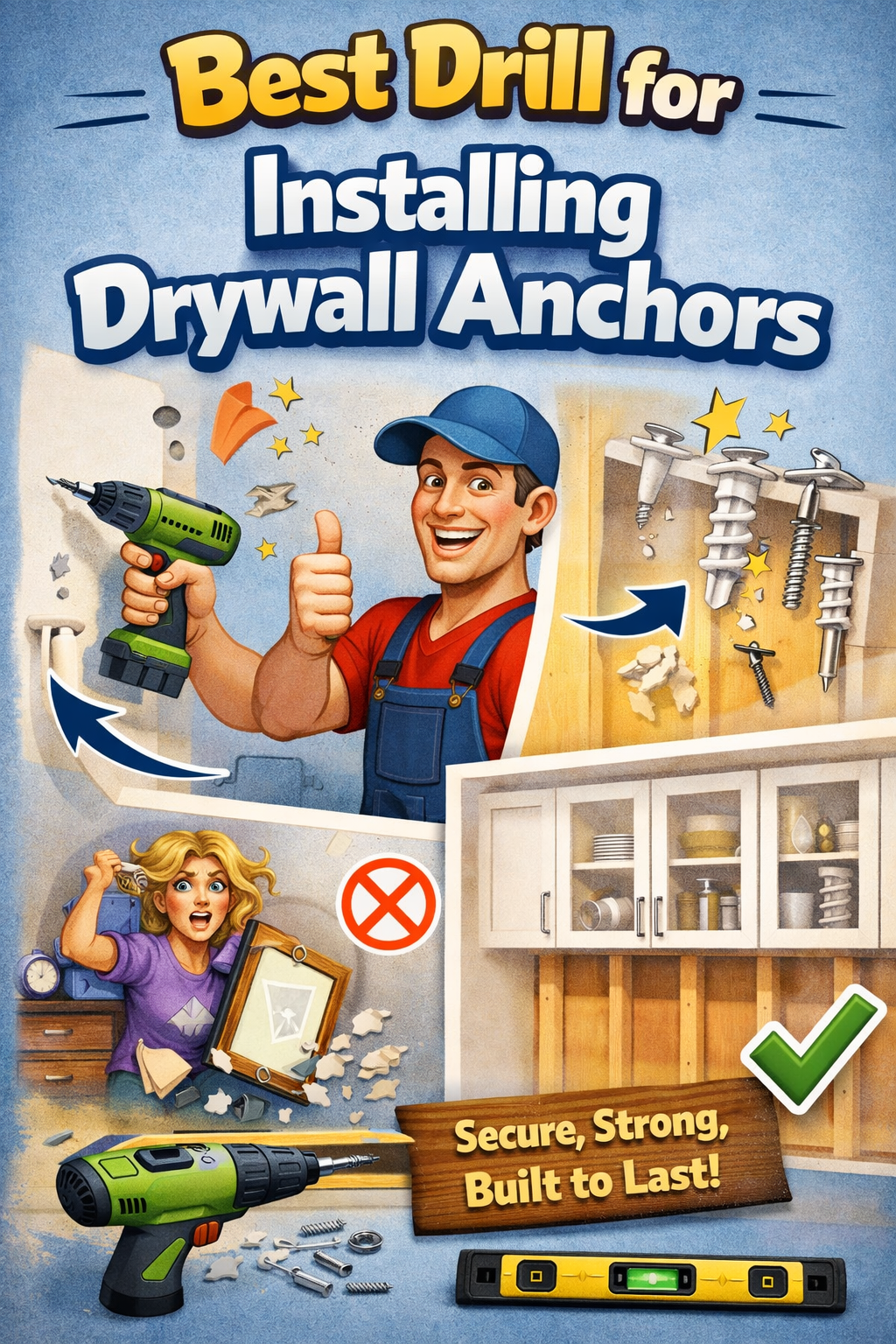
The best drill for installing drywall anchors is the one that gives you precise control, prevents over-drilling, and helps anchors stay tight and secure.
At first, installing drywall anchors seems simple.
But once you start drilling, things can go wrong quickly:
- holes become too large
- anchors spin instead of gripping
- drywall cracks or crumbles
- screws don’t hold weight
And once that happens?
👉 The anchor is basically useless.
That’s why choosing the best drill for installing drywall anchors is critical if you want a secure and professional result.
This guide will show you:
- what type of drill actually works best
- how to avoid common anchor failures
- the best drills for clean drywall installation
ℹ️ This article contains affiliate links. If you purchase through them, we may earn a small commission at no extra cost to you.
🏆 Quick Recommendation
Installing anchors in drywall? These drills give you the control needed to avoid cracks and loose holes.
Why Drywall Anchors Fail (And How a Drill Makes the Difference)
Drywall is fragile.
It doesn’t behave like wood or studs.
When installing anchors, you need:
👉 precision, not power
Most failures happen because:
- holes are drilled too large
- anchors don’t grip properly
- screws are over-tightened
The best drill for installing drywall anchors helps you:
- drill clean, tight holes
- control speed
- prevent damage
If you’re comparing tools, our guide to cordless drill vs impact driver explains why impact drivers are a bad choice here.
What to Look for in the Best Drill for Installing Drywall Anchors
1. Smooth Speed Control
Drywall requires slow, controlled drilling.
2. Lightweight Design
Helps maintain accuracy.
3. Adjustable Clutch
Prevents over-tightening screws.
4. Compact Size
Makes it easier to work in tight areas.
If you’re working on multiple home upgrades, a tool like the best cordless drill under $150 is often more than enough.
Best Drill for Installing Drywall Anchors (Top Picks)
1. Bosch PS31-2A — Best Overall for Drywall Work
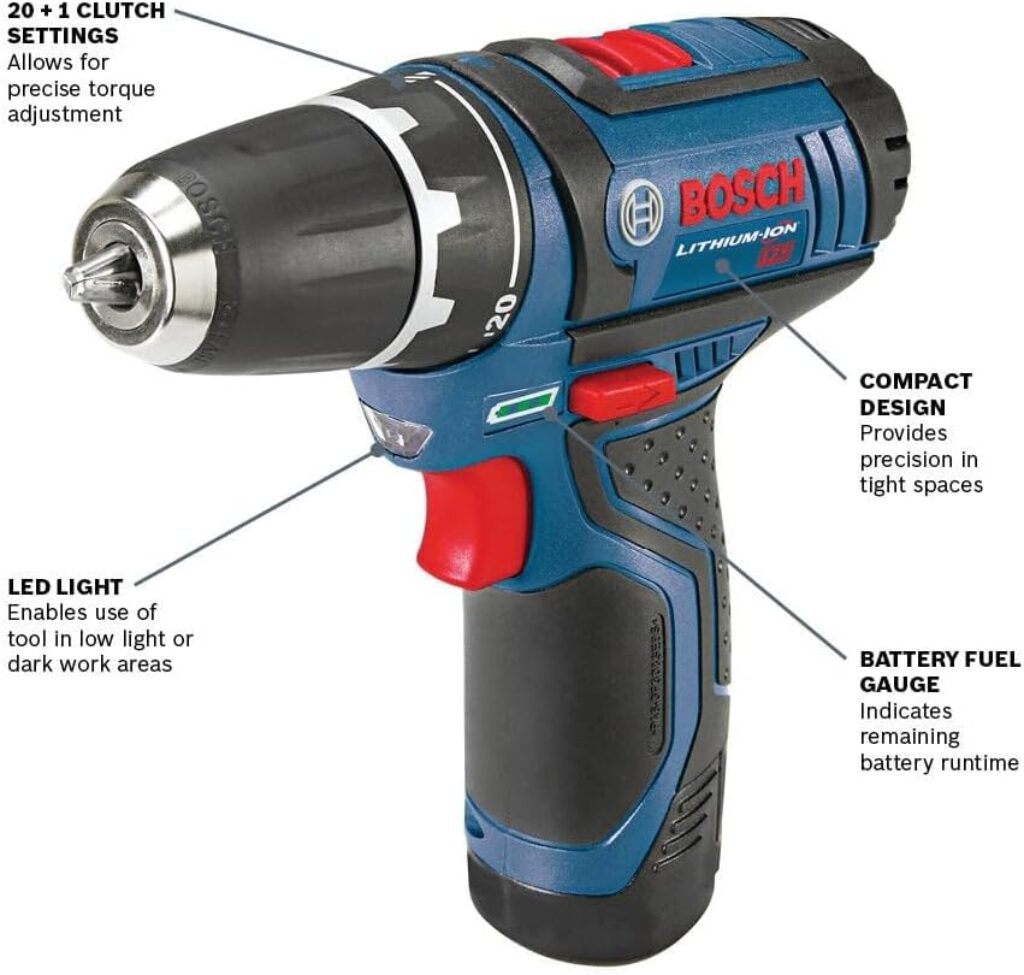
If you want clean, precise holes without damaging drywall, this is one of the best options available.
The biggest advantage is control.
When you start drilling, the drill doesn’t jump or spin aggressively. It starts smoothly, allowing you to create tight holes that hold anchors properly.
This is extremely important because drywall anchors rely on friction. If the hole is even slightly too large, the anchor won’t grip.
In real-world use, this drill makes the process feel easy — even for beginners.
You’ll notice:
- better control
- fewer mistakes
- more secure anchors
It’s also lightweight, which helps maintain steady positioning.
Best for:
- drywall anchors
- light wall installations
- beginners
Not ideal if:
- you need heavy-duty drilling
2. Makita FD07R1 — Best for Precision Control
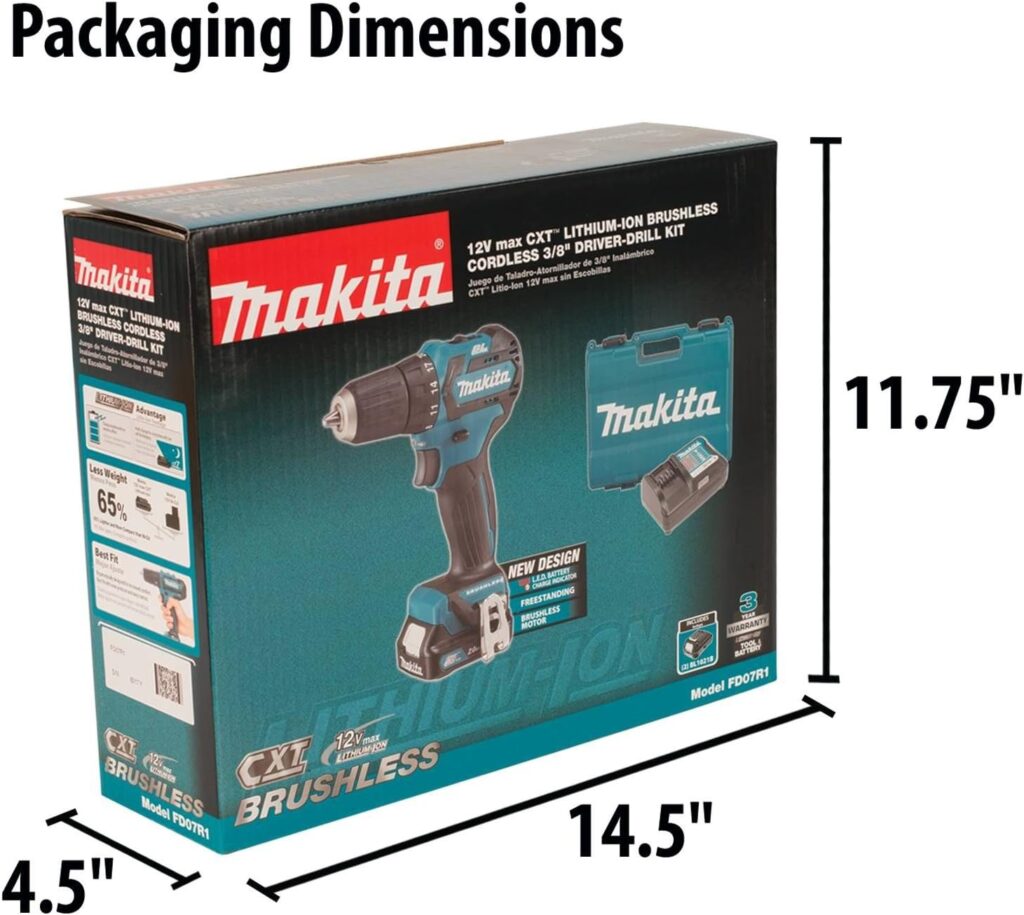
If you want maximum control, this drill is a great choice.
It feels smooth and predictable, which helps prevent over-drilling.
This is especially useful when working with delicate drywall surfaces.
The reduced vibration makes it easier to:
- keep holes clean
- maintain accuracy
- avoid slipping
Best for:
- precision work
- careful drilling
Not ideal if:
- you need more power
3. DEWALT DCD771C2 — Best Versatile Option
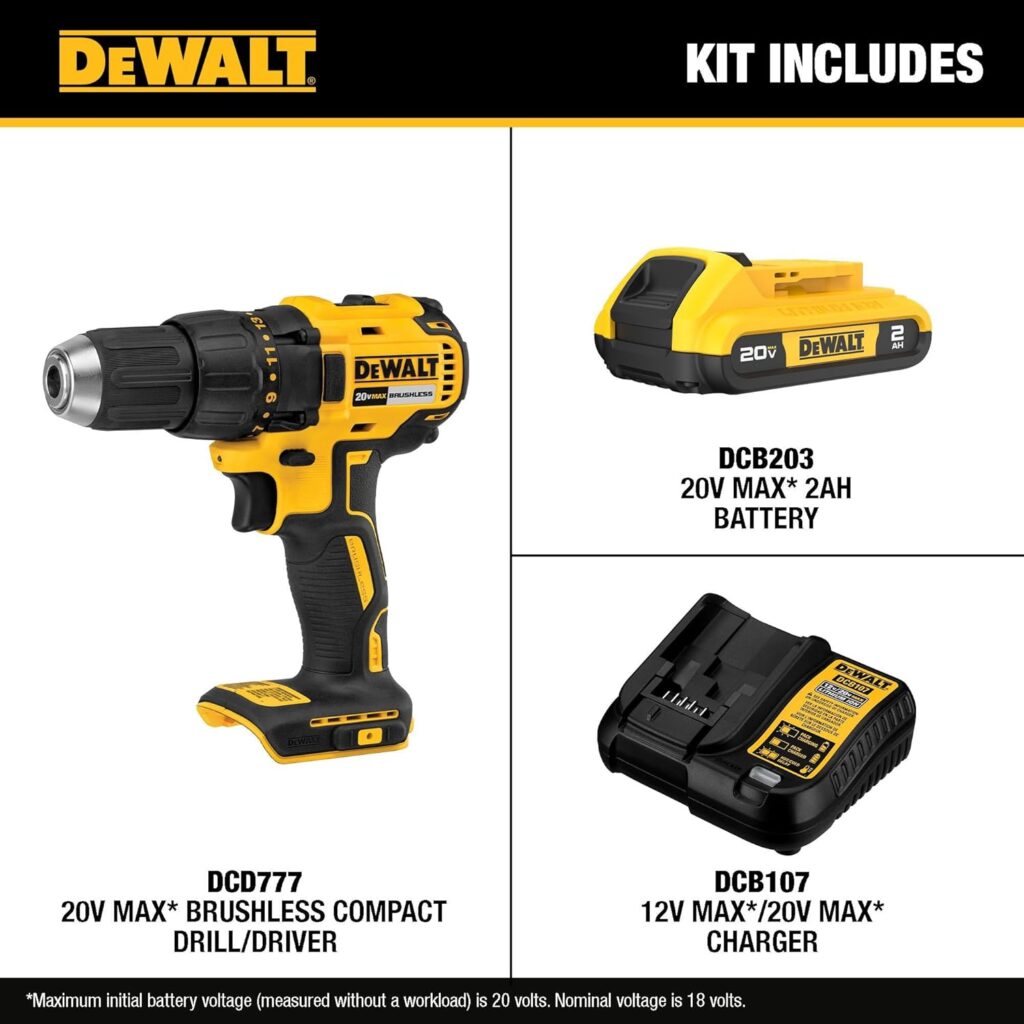
If you want one drill that can handle more than just one project, the DEWALT DCD771C2 is an easy recommendation.
This is the kind of drill that makes sense for homeowners who are not only installing drywall anchors, but also planning to assemble furniture, hang shelves, install curtain rods, or work on small garage upgrades later. That flexibility is what makes it such a practical choice.
Compared to lighter compact drills, the DCD771C2 feels a bit more substantial in the hand. It has more power available, and you can feel that as soon as you start drilling. For simple drywall anchor jobs, that extra power is not always necessary, but it becomes very useful when you move into tougher materials or larger household projects.
That said, this drill works best when you use it with intention.
Because it has more power than a compact precision drill, you do need to slow down and let the tool work for you. If you rush, especially in drywall, you can easily make the hole larger than necessary. But if you use a light touch, lower speed, and proper clutch setting, the drill performs very well and gives you a lot more versatility than smaller entry-level models.
That is really the appeal here.
The DCD771C2 is not just a “drywall anchor drill.” It is more of an all-around homeowner drill. You can use it today for installing anchors, and next week for furniture assembly, cabinet hardware, or a small weekend DIY project. For many people, that makes it a smarter buy than a smaller drill that only feels ideal for one narrow task.
It is also a comfortable option for people who want something dependable without stepping into a more expensive brushless tier. It feels like a real home-improvement tool, not just a light-duty occasional-use drill.
So if your goal is to buy one drill that can grow with your projects, this model makes a lot of sense.
Best for:
- homeowners who want one drill for many jobs
- drywall anchors, shelves, and light wood drilling
- users who want more power without going too expensive
Not ideal if:
- you want the lightest, most precise drill possible for delicate drywall-only work
- you prefer ultra-compact tools for tight spaces
4. BLACK+DECKER LD120VA — Best Budget Option
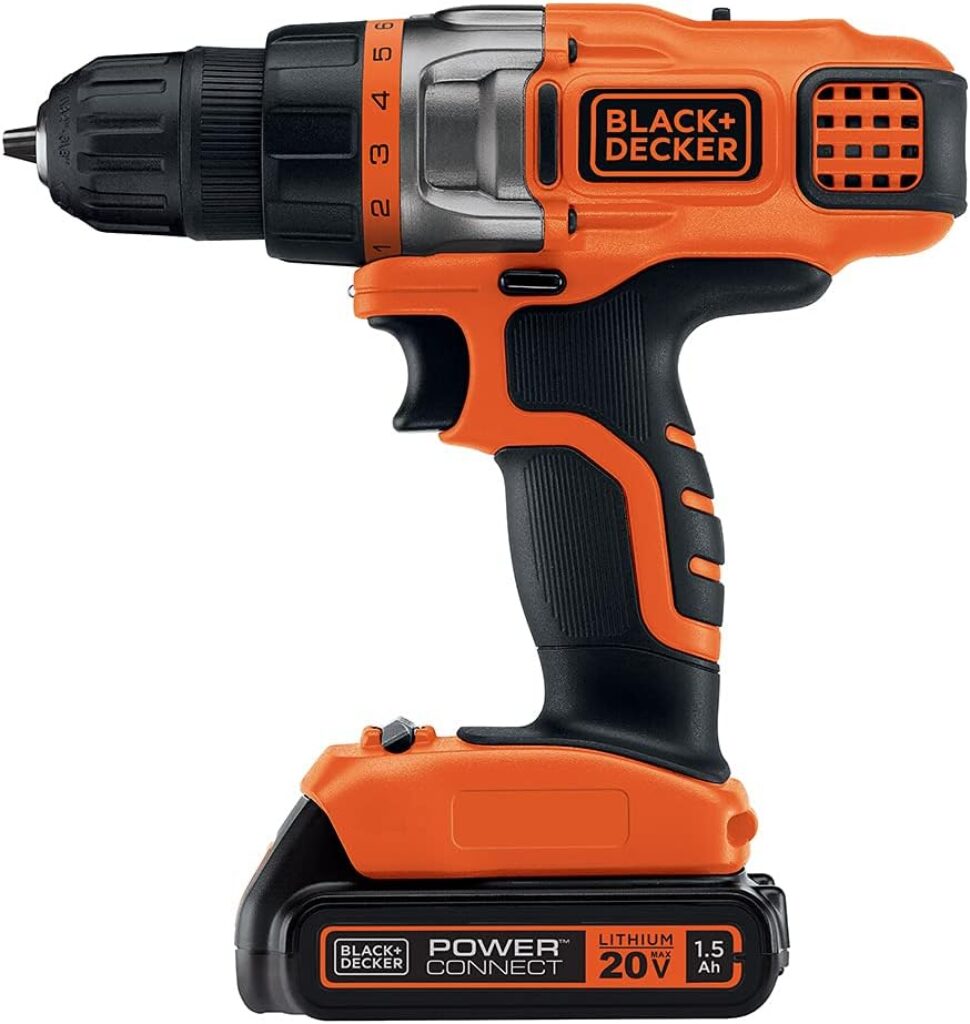
The BLACK+DECKER LD120VA is one of those drills that doesn’t try to impress you with power — but instead focuses on simplicity and practicality.
If you’re assembling IKEA furniture, installing drywall anchors, or doing light home projects, this drill is more than capable of getting the job done.
What makes it appealing right away is how beginner-friendly it feels.
It’s lightweight, easy to handle, and doesn’t feel intimidating — which is important if you’re new to using power tools. When you start driving screws, the drill doesn’t spin too aggressively, making it easier to stay in control.
One of its biggest advantages is the 24-position clutch, which helps prevent stripping screws and overdriving fasteners .
That’s extremely useful when working with:
- particle board (IKEA furniture)
- drywall anchors
- soft materials
In real-world use, this means fewer mistakes — especially for beginners.
Another bonus is the 30-piece accessory kit included in the box . You don’t need to buy extra bits right away, which makes it a very cost-effective choice.
However, you should know its limits.
This drill is not designed for heavy-duty work. When dealing with:
- thick hardwood
- long lag bolts
- heavy installations
you’ll start to feel the lack of torque.
But for light to medium tasks, it performs exactly as expected.
👉 This is the kind of drill you buy when you want something simple, affordable, and reliable — not overpowered.
Best for:
- IKEA furniture assembly
- drywall anchors
- light home repairs
- beginners
Not ideal if:
- you need high torque for heavy-duty projects
Step-by-Step: Installing Drywall Anchors
Step 1: Mark Position
Use a level if needed.
Step 2: Drill Pilot Hole
Go slow.
Avoid forcing the drill.
Step 3: Insert Anchor
Tap gently if needed.
Step 4: Drive Screw
Use low speed.
Step 5: Test Hold
Check stability before adding weight.
According to Family Handyman, proper hole size is critical for anchor strength.
Common Mistakes to Avoid
❌ Drilling too fast
→ loose holes
❌ Using wrong drill
→ poor control
❌ Over-tightening
→ damaged anchor
If you’re installing shelves or storage, you may want to check our guide to the best drill for installing floating shelves on drywall.
For general home upgrades, our breakdown of the best drill for DIY projects can help you choose a more versatile tool.
FAQ
What is the best drill for installing drywall anchors?
A lightweight drill with good control is ideal.
Can I use an impact driver?
Not recommended.
What happens if hole is too big?
Anchor won’t hold.
Do I need pilot holes?
Yes, for best results.
Final Verdict
Installing drywall anchors is all about precision.
The best drill for installing drywall anchors is one that gives you control and prevents mistakes.
👉 Bosch PS31-2A is the best overall choice
It offers:
- smooth control
- accurate drilling
- beginner-friendly use
If you want clean, secure anchors — this is the drill to choose.