
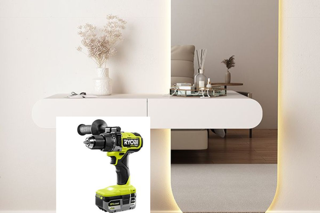
Installing a bathroom vanity isn’t the same as hanging a shelf.
Vanities are heavy.
They must be secured into studs.
And mistakes can lead to sagging, loose fixtures, or wall damage.
The best drill for installing bathroom vanity must provide:
- Strong torque for long structural screws
- Adjustable clutch for controlled tightening
- Reliable battery life
- Comfortable overhead handling
If you’re planning a bathroom upgrade, choosing the right drill will make the installation safer and far less stressful.
ℹ️ This article contains affiliate links. If you purchase through them, we may earn a small commission at no extra cost to you.
Quick Decision (No Guesswork)
If you’re installing a vanity this week:
- 👉 DEWALT DCD771C2 – Best overall for stud mounting
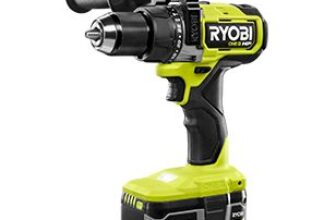
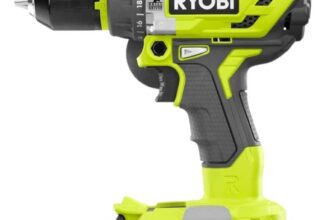
- 👉 Ryobi ONE+ – Best value for long-term remodelers
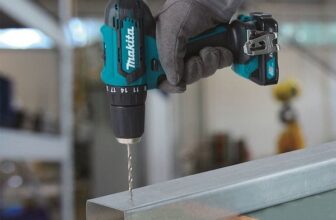
- 👉 Makita FD07R1 – Best compact option for tight spaces
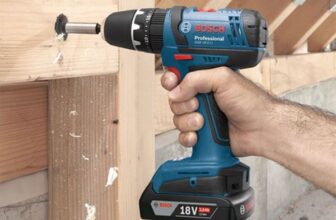
- 👉 Bosch PS31-2A – Best lightweight for smaller vanities
Scroll down for detailed recommendations.
Quick Comparison: Best Drill for Installing Bathroom Vanity
| Model | Voltage | Best For | Power Level |
|---|---|---|---|
| DEWALT DCD771C2 | 20V | Heavy vanities | Strong |
| Ryobi ONE+ | 18V | Remodel projects | Strong |
| Makita FD07R1 | 12V | Compact installs | Moderate |
| Bosch PS31-2A | 12V | Light vanities | Moderate |
What Makes the Best Drill for Installing Bathroom Vanity?
Vanity installation typically involves:
✔ Drilling pilot holes into studs
✔ Driving long mounting screws
✔ Securing brackets
✔ Working in tight bathroom spaces
The best drill for installing bathroom vanity must combine torque and control.
Too little torque → screws won’t seat properly.
Too much torque → stripped heads or cracked wood.
Adjustable clutch and dual-speed transmission are essential.
If you’re unfamiliar with stud mounting, review our guide on the best drill for hanging wall cabinets, since the installation process is very similar.
How Much Torque Do You Need?
For most bathroom vanities:
- 18V or 20V drills are ideal
- Long structural screws require steady torque
- Pilot holes are highly recommended
According to OSHA hand tool safety guidelines, pilot drilling reduces wood splitting and improves structural hold:
The best drill for installing bathroom vanity should allow controlled tightening rather than maximum speed.
Our Top Picks
🥇 DEWALT DCD771C2 – Best Overall Choice
For most homeowners, this is the safest and most reliable option.
Why it works:
- 20V motor handles studs confidently
- Adjustable clutch prevents over-tightening
- Dual-speed control for pilot holes
Pros:
- Reliable performance
- Long-term durability
- Two batteries included
Cons:
- Slightly heavier than compact drills
👉 Check Price on Amazon – DEWALT DCD771C2
If your project also includes drywall anchors or mirror installs, see our guide on the best drill for drywall and wall anchors.
🔋 Ryobi ONE+ – Best for Full Bathroom Remodels
If you’re renovating more than just the vanity, Ryobi’s ecosystem gives you flexibility for future tools.
Pros:
- Strong torque
- Affordable
- Compatible battery system
Cons:
- Bulkier than 12V drills
👉 Check Price on Amazon – Ryobi ONE+
🪶 Makita FD07R1 – Best Compact Option
For smaller vanities and tight under-sink spaces, this compact drill offers smooth performance.
Pros:
- Lightweight
- Brushless motor
- Comfortable grip
Cons:
- Less torque for large hardwood framing
👉 Check Price on Amazon – Makita FD07R1
🪶 Bosch PS31-2A – Best Lightweight Alternative
If installing a smaller vanity in a guest bathroom, this compact drill is easy to manage overhead.
Pros:
- Very lightweight
- Excellent clutch precision
Cons:
- Limited torque for heavy framing
👉 Check Price on Amazon – Bosch PS31-2A
Common Bathroom Vanity Installation Mistakes
Avoid these:
❌ Skipping stud finder
❌ Mounting heavy vanity into drywall only
❌ Not drilling pilot holes
❌ Using max torque immediately
The best drill for installing bathroom vanity gives you gradual torque control — reducing wall and cabinet damage.
Frequently Asked Questions
Do I need a 20V drill for a bathroom vanity?
For heavy vanities mounted into studs, yes. A 20V drill provides more confidence and stability.
Can I use a 12V drill?
For smaller vanities, yes — but pilot holes are critical.
Should I use an impact driver?
Not recommended for beginners. A drill provides smoother, more controlled tightening.
If you’re unsure, read our comparison of cordless drill vs impact driver.
Final Verdict
The best drill for installing bathroom vanity must combine torque, stability, and control.
For most homeowners, the DEWALT DCD771C2 offers the strongest balance of power and usability.
If you’re planning a full remodel, Ryobi ONE+ is a smart long-term investment.
Choose a drill that gives you control — because stability matters more than speed during vanity installation.