

Finding the best cordless drill is harder than it looks.
At first glance, most drills seem similar. They all promise power, battery life, and comfortable handling. But once you start comparing real models, the differences become obvious. Some drills feel too heavy for everyday home use. Some are affordable but lack the torque needed for larger DIY projects. Others are excellent tools, but they are simply too expensive for what most homeowners actually need.
That is why this guide matters.
A good cordless drill is one of the few power tools almost every homeowner will use again and again. You can use it to assemble furniture, install shelves, hang curtain rods, mount a TV bracket, build simple storage, install garage organization systems, and handle basic repairs around the house. For many people, a cordless drill becomes the first serious tool they buy and the one they reach for most often.
The best cordless drill is not necessarily the most powerful or the most expensive model. In real life, the best cordless drill is the one that balances:
- reliable drilling power
- comfortable handling
- strong battery performance
- easy control for screws and pilot holes
- long-term value
In other words, the best cordless drill should match the kind of work most people actually do.
If you mostly handle home repairs and weekend DIY projects, you probably want a drill that is compact, easy to carry, and strong enough for wood studs, drywall anchors, and furniture assembly. If you work on larger garage builds or heavier projects, you may want more torque and a stronger battery platform. If you are a beginner, comfort and control matter even more than raw power.
This guide compares the best cordless drill options for different budgets and use cases, including compact models for beginners, stronger 18V–20V options for home improvement, and value picks that make sense for most homeowners.
If you are completely new to power tools, you may also want to start with our guide to the best cordless drill for beginners before making your final choice.
ℹ️ This article contains affiliate links. If you purchase through them, we may earn a small commission at no extra cost to you.
Quick Recommendation
If you want the fastest answer, the DEWALT DCD791B is the best cordless drill overall for most homeowners and DIY users. It offers a strong mix of power, durability, and comfortable handling. If you prefer something lighter and easier to control, the Bosch PS31-2A is an excellent compact alternative. Official product pages currently describe the DCD791B as a 20V MAX XR brushless compact drill/driver, the Makita XFD131 as an 18V LXT brushless driver-drill, the Bosch PS31-2A as a 12V Max compact drill/driver, and RYOBI’s ONE+ HP drill/driver as part of its 18V brushless lineup.
Quick Comparison
| Drill | Voltage | Motor | Best For |
|---|---|---|---|
| DEWALT DCD791B | 20V | Brushless | Best overall performance |
| Makita XFD131 | 18V | Brushless | Best brushless value |
| Bosch PS31-2A | 12V | Compact drill/driver | Best compact DIY work |
| Ryobi ONE+ HP Drill/Driver | 18V | Brushless | Best value ecosystem |
Why a Cordless Drill Matters More Than Most People Think
There are certain tools that are nice to have, and there are certain tools that completely change how easy home projects feel. A cordless drill falls into the second category.
Without a drill, even simple tasks take longer than they should. Furniture assembly becomes frustrating. Installing shelves feels harder than necessary. Wall-mounted storage projects become slow and annoying. Small repairs pile up because every screw takes longer to drive and every pilot hole becomes a problem.
Once you own the best cordless drill for your needs, all of those jobs become easier.
That is also why this is one of the most important tool-buying decisions a homeowner can make. A bad drill often gets used once or twice and then ignored. A good drill becomes the default tool for projects all over the house.
The best cordless drill can help with:
- furniture assembly
- closet shelving
- curtain rods
- wall art and mirrors
- floating shelves
- cabinet hardware
- drawer slides
- TV mounting
- garage storage
- pegboard installation
- bike racks
- ladder hooks
- light woodworking projects
If you want a deeper comparison of the most reliable models currently available, see our full guide to the best cordless drill for home use and DIY projects.
What Actually Makes the Best Cordless Drill?
A lot of buyers focus too much on marketing language and not enough on real-world use. To find the best cordless drill, you need to look at the features that matter in actual projects.
Power
Power matters, but context matters more.
A 12V compact drill can handle many indoor tasks beautifully. A stronger 18V or 20V drill will feel better for projects like garage shelves, TV mounts, heavier studs, and storage brackets.
For most homeowners, the best cordless drill is usually in the 18V–20V range if they want one main drill for everything. But if the focus is lighter household work, a quality compact model can be more enjoyable to use.
Control
Many people underestimate how important control is.
A drill that feels jumpy or overly aggressive can be frustrating when installing cabinet handles, drawer pulls, hinges, and delicate wall anchors. Smooth trigger response and an adjustable clutch make a huge difference.
That is one reason the best cordless drill for beginners is often not the most powerful model.
Battery Platform
A drill is rarely your last tool purchase.
If you later buy an impact driver, work light, inflator, small saw, or shop vac, battery compatibility matters. A strong battery ecosystem adds long-term value.
This is where brands like DEWALT, Makita, Bosch, and RYOBI become attractive. They give you room to expand later. Official product families from these brands emphasize their broader cordless systems, which is one reason they remain popular choices for homeowners and DIY users.
Weight and Ergonomics
This is one of the biggest real-world factors.
A drill may look great on paper, but if it feels heavy and awkward, you will notice that immediately when working overhead or drilling repeatedly. Lightweight drills are often better for curtain rods, window blinds, picture hanging, and closet installations.
For many people, the best cordless drill is the one they can comfortably hold for longer periods without fatigue.
Chuck Quality and General Build
You do not need to obsess over technical details, but you do want a drill that feels solid and dependable. A reliable chuck, good grip texture, and stable balance make projects easier.
👉 If you’re not sure which drill to choose, most homeowners are happiest with a balanced 18V–20V model that handles both light and heavy tasks.
Brushless vs Brushed: Which One Should You Buy?
This is one of the biggest questions in cordless drill buying.
Brushless drills
Brushless motors are generally more efficient. They tend to run cooler, waste less battery power, and often last longer. That is why many of the best cordless drill models now use brushless motors.
Brushed drills
Brushed drills are often less expensive and still perfectly usable for many homeowners. They may not be as efficient, but they can still be a good choice if budget matters most.
If you want the short answer:
- buy brushless if your budget allows
- buy brushed if the price difference is large and your projects are light to moderate
That is why a model like the DEWALT DCD771C2 still appeals to value-conscious buyers, while the DCD791B or Makita XFD131 feels like a stronger long-term investment. DEWALT’s current product page labels the DCD791B as brushless, and Makita’s XFD131 is also currently described as brushless on its official product page.
Best Cordless Drill Overall
DEWALT DCD791B — Best Overall Cordless Drill
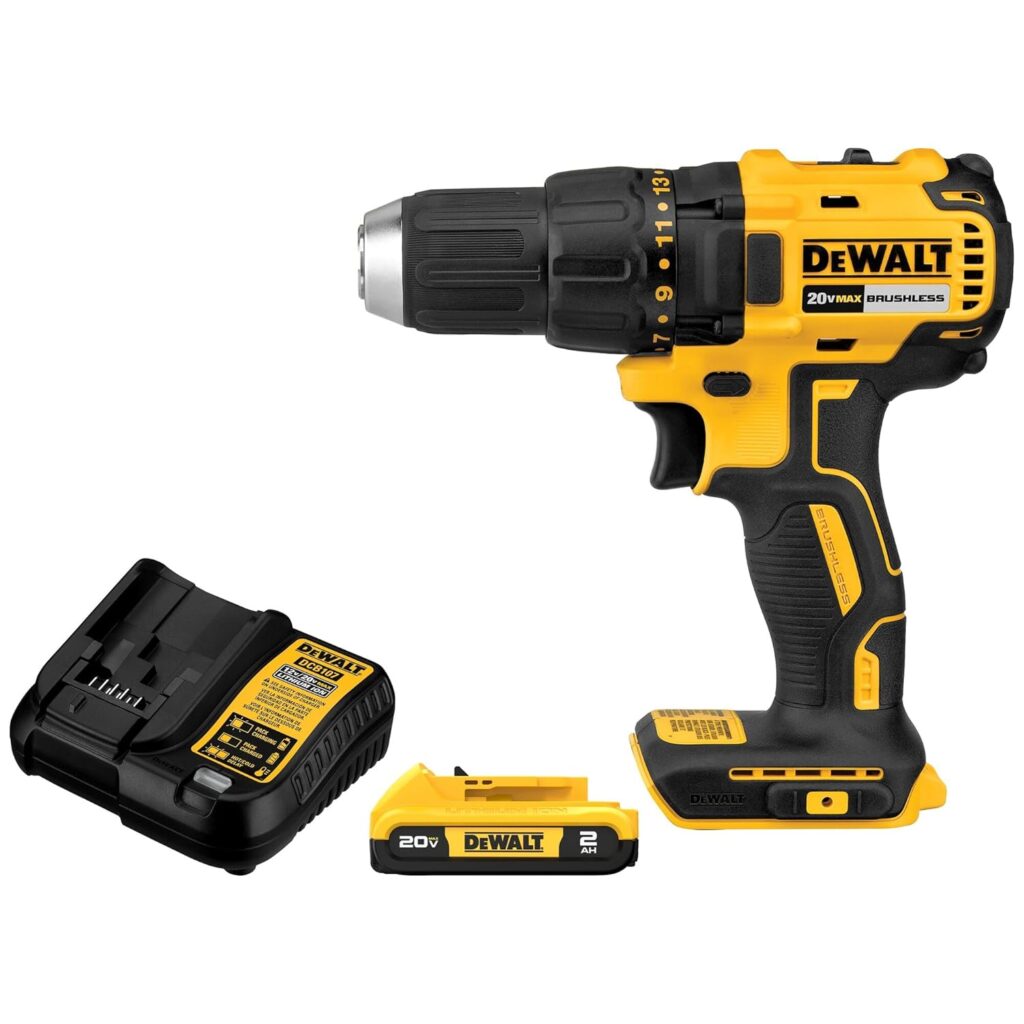
If you want one drill that can handle the widest range of projects well, the DEWALT DCD791B is the best cordless drill overall.
This is the model I would point most homeowners toward if they want a dependable long-term choice. It has enough power for real home improvement work but still feels compact enough for everyday use. It is not the cheapest drill in this guide, but it is one of the easiest to recommend because it covers so many situations well.
Why it works so well:
- strong enough for studs, shelf brackets, and garage installs
- still manageable for furniture and basic indoor work
- brushless motor adds long-term value
- very versatile as a one-drill solution
Best for
- homeowners who want one high-quality drill
- DIY users who do both light and moderate-heavy work
- people building a long-term DEWALT tool platform
Pros
- powerful and versatile
- durable
- brushless efficiency
- excellent all-around choice
Cons
- costs more than entry-level drills
- may be more tool than some light users need
If budget matters more than maximum performance, you may also want to compare our guide to the best cordless drill under $150.
Best Brushless Value Cordless Drill
Makita XFD131 — Best Brushless Value
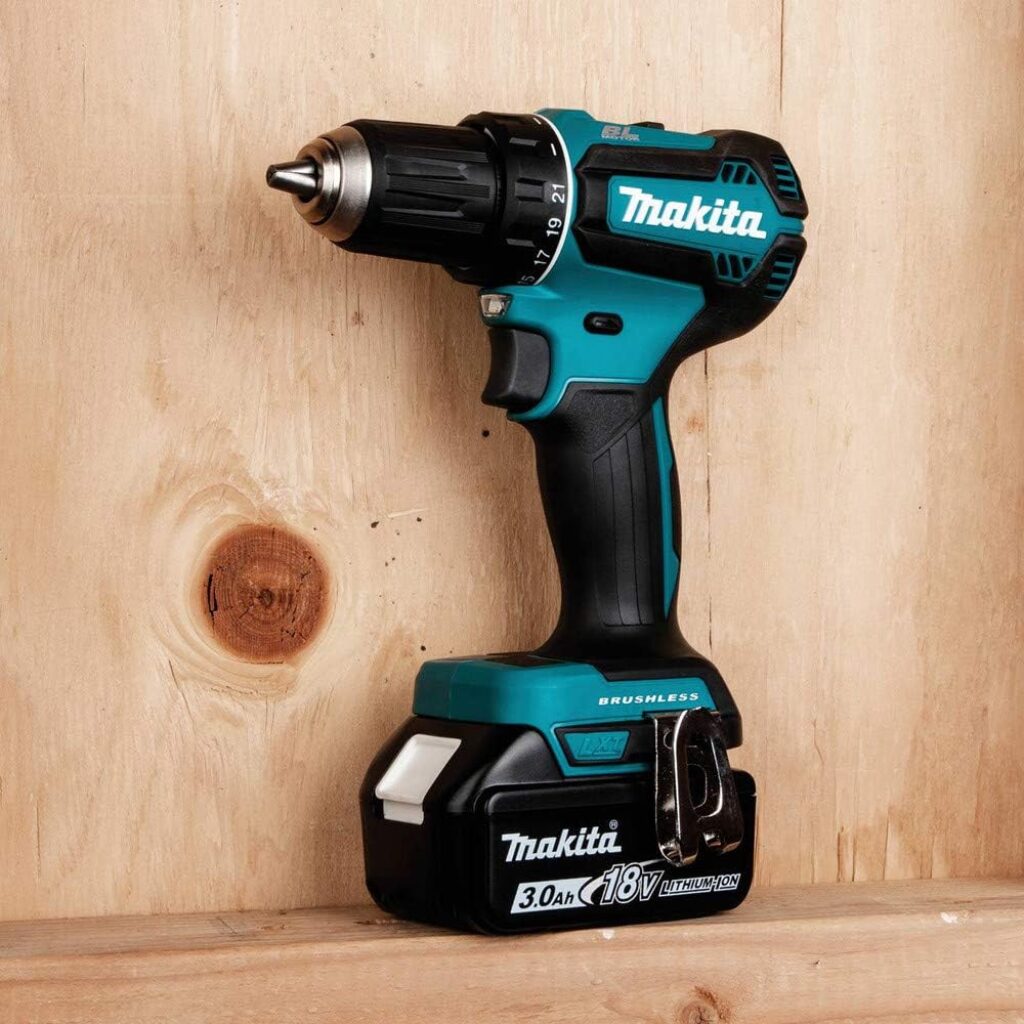
The Makita XFD131 is a very strong choice for buyers who want a reliable brushless drill without immediately jumping to premium pricing tiers.
Makita tools are often appreciated for smooth operation and long-term dependability. This drill makes a lot of sense for homeowners who want better efficiency and a professional-feeling tool without going overboard.
What makes it appealing:
- brushless motor
- strong overall performance for home use
- dependable reputation
- excellent choice for users who want a “serious” drill without buying the most expensive option
Best for
- homeowners who value durability
- buyers who want brushless performance
- people considering expanding into the Makita platform
Pros
- efficient brushless motor
- strong value
- reliable brand reputation
- suitable for demanding DIY use
Cons
- may feel slightly heavier than compact options
- not the cheapest path for basic beginners
If you are comparing by price range, see our full guide to the best cordless drill under $200.
Best Compact Cordless Drill
Bosch PS31-2A — Best Compact Drill
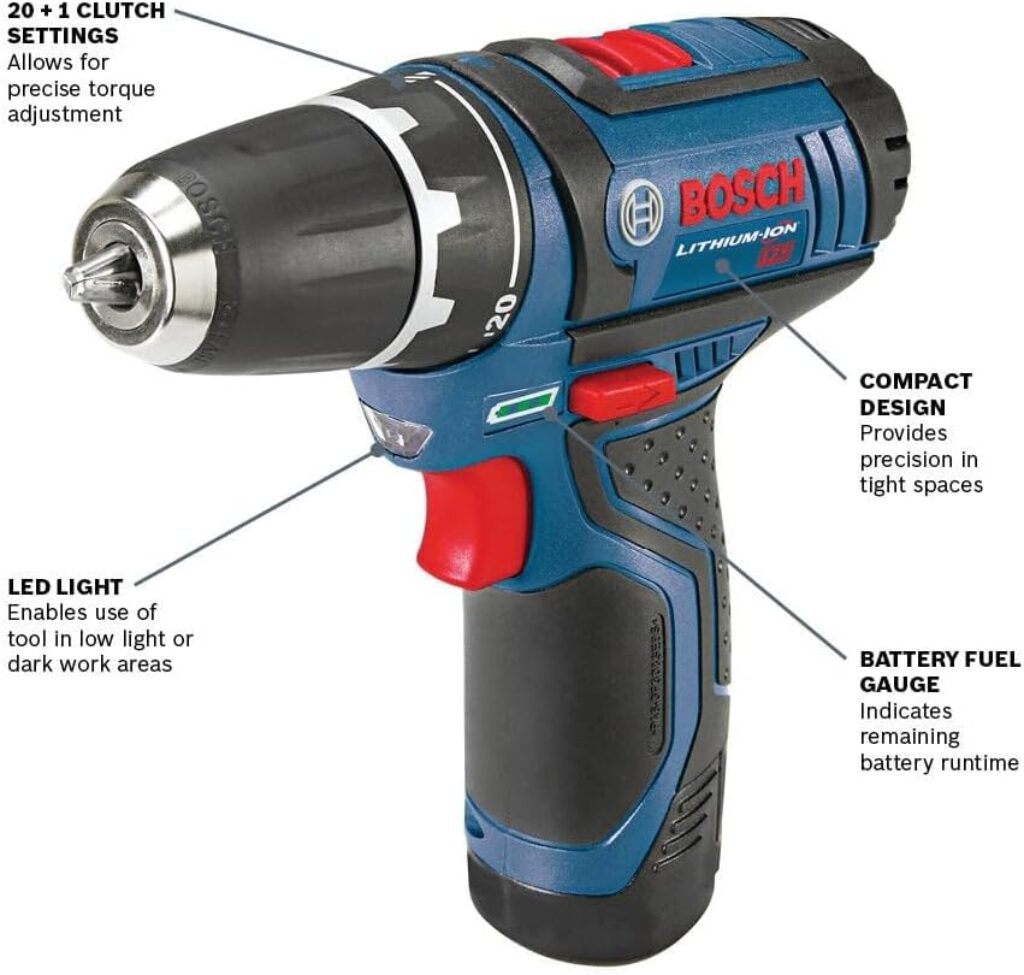
The Bosch PS31-2A is one of the easiest drills to recommend for people who care about comfort, precision, and ease of use.
Not everyone needs a large 18V or 20V drill. For lighter home tasks, a compact model can actually be the best cordless drill choice because it feels easier to hold, easier to control, and less tiring during repeated use.
Bosch currently describes the PS31-2A as a 12V Max drill/driver weighing just over two pounds and suitable for a wide range of tasks, with 265 in-lbs. of max torque and two speed ranges. Those characteristics help explain why it works so well for overhead drilling, light installs, and tighter spaces.
Best for
- picture hanging
- curtain rods
- blinds
- cabinet hardware
- beginners and light DIY use
Pros
- very lightweight
- easy to handle
- excellent for precision work
- great for indoor projects
Cons
- less suitable for heavier stud or lag-bolt work
- not ideal as a one-drill solution for demanding garage installs
If you are buying your first drill, also read our guide to the best cordless drill for beginners.
Best Budget Ecosystem Drill
RYOBI ONE+ HP Drill/Driver — Best Value Platform
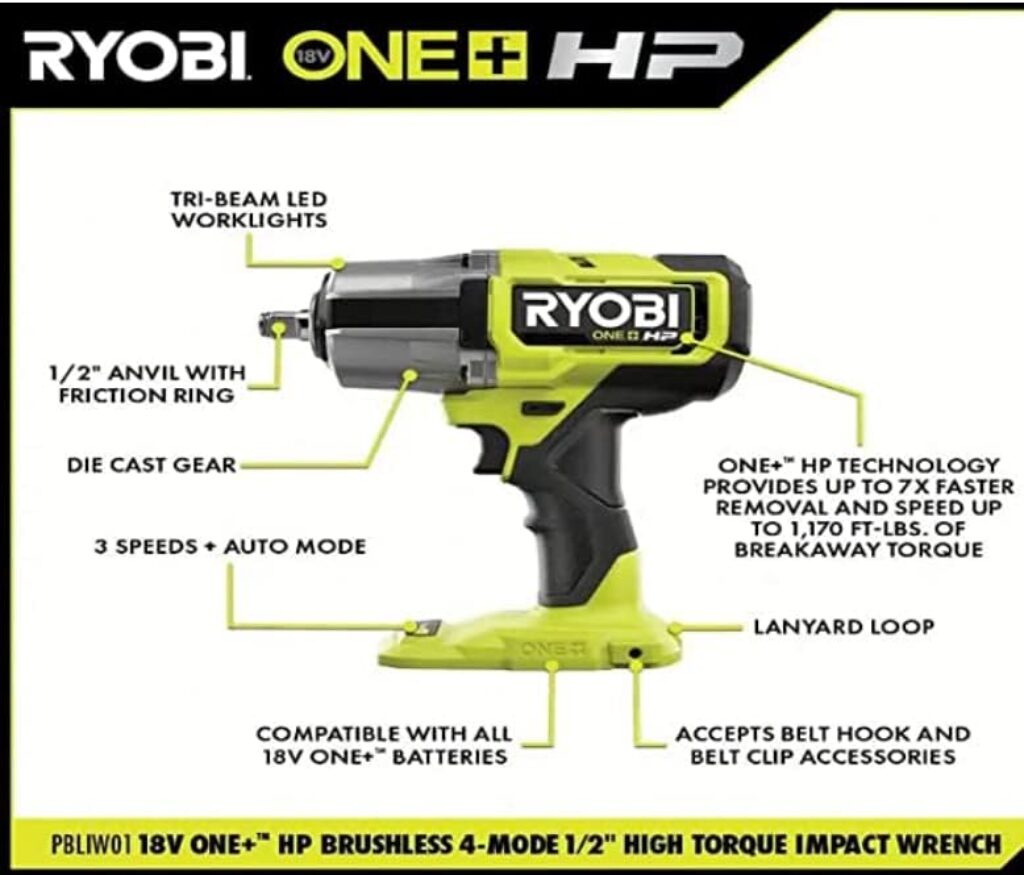
RYOBI continues to appeal to DIY homeowners because the brand offers a huge cordless platform at relatively accessible pricing.
If you want a drill and plan to add other tools later without spending premium-brand money, the RYOBI ONE+ HP drill/driver is a very practical choice.
RYOBI’s current product page highlights features like a 2-speed gearbox, 24-position clutch, 1/2-inch ratcheting metal chuck, and performance gains over older models. That makes it a sensible value pick for homeowners building out a tool collection over time.
Best for
- budget-conscious DIY users
- homeowners building a tool ecosystem
- garage and home maintenance projects
Pros
- good value
- broad battery ecosystem
- practical for repeat DIY use
- strong platform for future expansion
Cons
- fit and finish may feel less premium than top-tier alternatives
- some buyers still prefer DEWALT or Makita for long-term heavy use
If price is your biggest concern, also check our guide to the best cordless drill under $100.
Best Cordless Drill by Use Case
Choosing the best cordless drill becomes easier when you match the tool to the project.
Best cordless drill for beginners
A lighter, easier-to-control model is often best. Start with our guide to the best cordless drill for beginners.
Best cordless drill by budget
If you want to shop smarter by price, read our full guide to the best cordless drill by budget.
Best cordless drill for DIY projects
For broader home projects, shelving, storage, and weekend tasks, see best drill for DIY projects.
Best cordless drill for furniture assembly
If your priority is bookshelves, desks, beds, and drawers, read best drill for furniture assembly.
Best cordless drill for home use
If you want one drill for common household jobs, also check best cordless drill for home use.
Best cordless drill under $100
For entry-level buyers, compare our best cordless drill under $100 roundup.
Best cordless drill under $150
For many homeowners, this is the sweet spot. See best cordless drill under $150.
Best cordless drill under $200
If you want more performance without going all the way into premium pricing, read best cordless drill under $200.
This type of use-case breakdown is one of the best ways to make a pillar article stronger because it helps search engines and readers understand the full topic hierarchy.
What Can You Actually Do With a Cordless Drill?
The answer is: a lot more than most buyers expect.
A cordless drill is not just for basic holes in wood. The best cordless drill can handle an enormous range of home tasks, including:
- assembling furniture
- installing drawer slides
- putting up cabinet hardware
- hanging mirrors
- mounting floating shelves
- installing blinds
- hanging curtain rods
- installing closet shelves
- mounting bike racks
- installing pegboard
- building simple storage
- fixing loose hinges
- mounting TV brackets
That is one reason a cordless drill remains such a core homeowner tool. Family Handyman continues to position cordless drills as a foundational tool for common home improvement and installation work.
If your main focus is home projects, read our best drill for DIY projects article.
If your focus is woodworking and building, see our guide to best drill for woodworking.
Common Mistakes People Make When Buying a Drill
A lot of buyers waste money or end up with the wrong tool because they make a few predictable mistakes.
Buying too much drill
More power is not always better. If most of your jobs are indoor and relatively light, a large drill may feel tiring and unnecessary.
Buying too little drill
The opposite also happens. Some buyers choose a very compact model and later realize they want to install garage storage, shelves into studs, or TV mounts.
Ignoring battery platform
If you think you may buy more tools later, the battery ecosystem matters. This is one reason RYOBI, DEWALT, and Makita often become repeat purchases.
Confusing a drill with an impact driver
These are not the same. A cordless drill is the better all-around first tool.
Choosing price only
The cheapest option is not always the best value. Sometimes spending a bit more gives you far better durability and long-term use.
Many people buy a drill that is either too weak or too aggressive — and end up stripping screws, damaging walls, or replacing the tool within a year. Choosing the right drill from the start saves time, money, and frustration.
Cordless Drill vs Impact Driver
This is one of the most important comparisons for beginners.
A cordless drill is better for:
- general DIY
- drilling holes
- furniture assembly
- shelf installation
- cabinet hardware
- picture hanging
- household repairs
An impact driver is better for:
- driving larger fasteners
- tougher fastening jobs
- repetitive screw-driving under heavier load
For most homeowners buying their first tool, the best cordless drill is usually the better place to start.
For the full comparison, read our cordless drill vs impact driver guide.
Are Cordless Drills Good Enough for Real Home Improvement?
Yes — absolutely.
Modern cordless drills are far more capable than many people expect. A quality 18V or 20V drill can handle a wide range of meaningful home projects without trouble.
For example, many homeowners use cordless drills for:
- garage organization
- closet systems
- kitchen cabinet upgrades
- wall storage
- bathroom installations
- home office shelving
- media wall projects
Unless you are doing repeated masonry or heavy structural work, the best cordless drill can handle most homeowner needs extremely well.
How Much Should You Spend on the Best Cordless Drill?
This depends on how often you will use it.
Under $100
Best for light jobs and occasional use.
$100–$150
Often the best value for homeowners.
$150–$200
Usually where stronger brushless models and better long-term options start to appear.
Over $200
More suitable when you know you will use the drill often or want premium features and longer-term performance.
For many users, the real sweet spot is still in the under-$150 to under-$200 range.
How We Chose These Picks
For this guide, I focused on drills that make sense for real homeowners and DIY users, not just professionals on job sites.
The picks here are based on a combination of:
- trusted brand platforms
- current official product positioning
- versatility for common home tasks
- value across different budgets
- usability for both beginners and experienced DIY users
I also prioritized models that fit well into the kinds of project clusters already covered on ToolAdvisorHub, such as furniture assembly, shelving, garage storage, wall installation, and home organization.
Speed Settings
Most cordless drills include two speed settings:
Low speed for driving screws and heavy drilling tasks.
High speed for drilling smaller holes and lighter materials.
Having both speeds allows the drill to adapt to different DIY projects. For example, installing wall anchors requires precision and lower speed, while drilling pilot holes in wood often benefits from higher speed.
Clutch Settings
One feature beginners often overlook is the adjustable clutch.
The clutch controls how much torque the drill applies before stopping rotation. This helps prevent screws from being driven too deep or stripping the screw head.
When assembling furniture or installing cabinet hardware, clutch settings make a huge difference in accuracy and control.
Weight and Ergonomics
Comfort matters more than many people expect.
A cordless drill that feels too heavy can quickly become uncomfortable during longer projects. Drilling overhead, such as when installing ceiling storage racks or garage hooks, can become tiring if the drill is poorly balanced.
Compact drills are often easier to control and more comfortable for DIY homeowners.
Common Mistakes When Buying a Cordless Drill
Many people buying their first drill make similar mistakes. Avoiding these issues can save money and frustration.
Choosing Too Much Power
Some buyers assume that the most powerful drill is always the best option. In reality, extremely powerful drills can be heavier and harder to control.
For basic home improvement tasks, a mid-range cordless drill usually provides more than enough power.
According to installation experts at Family Handyman, a cordless drill is one of the most essential tools every homeowner should own for everyday repairs and home improvement projects.
Ignoring Battery Systems
Many brands offer entire tool ecosystems that share the same batteries.
If you plan to expand your tool collection later, choosing a drill within a larger battery platform can save significant money.
Popular systems include brands like:
- DEWALT
- Makita
- Bosch
- Ryobi
These ecosystems allow you to use the same battery across multiple tools.
Buying an Impact Driver Instead of a Drill
Many beginners confuse drills with impact drivers.
While impact drivers are excellent for driving large screws, they are not ideal for drilling holes or performing delicate tasks such as installing cabinet hardware.
For most homeowners, a cordless drill is the better first tool.
Why Every Homeowner Should Own a Cordless Drill
A cordless drill is one of the most versatile tools in any home toolkit.
Once you own one, you’ll quickly find countless uses for it around the house.
Common projects include:
- assembling IKEA furniture
- installing floating shelves
- hanging wall art
- mounting televisions
- installing garage storage systems
Many homeowners discover that a cordless drill becomes the tool they reach for most often.
Because modern drills are compact, powerful, and easy to use, they are perfect for both beginners and experienced DIY enthusiasts.
👉 A good cordless drill is one of the few tools you will actually use for years — choosing the right one now makes every future project easier.
FAQ
What is the best cordless drill overall?
For most homeowners, the DEWALT DCD791B is the best cordless drill overall because it offers a strong mix of power, durability, and usability.
What is the best cordless drill for beginners?
A compact and easy-to-control model is usually best. Start with our full guide to the best cordless drill for beginners.
Is a 12V drill enough for home use?
Yes, for lighter household tasks. But for broader DIY use, many homeowners still prefer an 18V or 20V model.
Is brushless worth it?
Usually yes. Brushless drills tend to offer better efficiency, less heat, and stronger long-term value.
Should I buy DEWALT, Makita, Bosch, or RYOBI?
It depends on your budget and future plans. DEWALT and Makita are strong long-term platforms. Bosch is excellent for compact DIY work. RYOBI is great for value and ecosystem expansion.
What is the best cordless drill under $150?
That depends on your preferences, but our full best cordless drill under $150 guide compares the strongest options in that range.
Can a cordless drill handle garage storage installs?
Yes. A good 18V or 20V drill can handle many garage organization projects, especially when drilling pilot holes into studs.
Final Verdict
The best cordless drill is not the one with the biggest specs list. It is the one that actually fits how you work.
If you want the safest all-around recommendation for most homeowners, the DEWALT DCD791B is still the strongest overall pick. It has the power for real home improvement work, the versatility for common DIY projects, and the durability to remain useful for years.
If you prefer a lighter and easier-to-control option, the Bosch PS31-2A is a smart compact choice.
If you want a strong brushless value option, the Makita XFD131 deserves serious consideration.
If budget matters and you want a wider affordable tool ecosystem, the RYOBI ONE+ HP drill/driver is a very practical buy.
The main thing is to choose a tool that matches your projects, your comfort level, and your long-term plans.