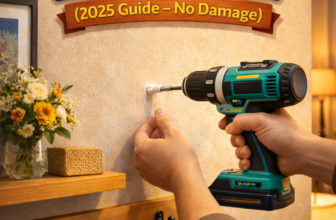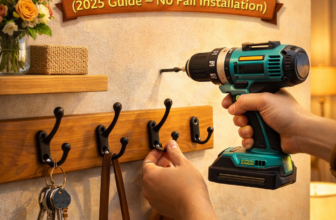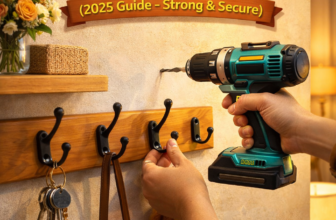

Drywall looks simple — until you crack it.
If you’re hanging shelves, mounting a TV, installing curtain rods, or setting wall anchors, choosing the best drill for drywall makes a bigger difference than most homeowners expect.
Too much torque? You strip the anchor.
Too little control? The screw won’t hold.
Too heavy? Your arm gets tired halfway through.
The good news: you don’t need a contractor-grade tool. You need the right balance of power, clutch control, and stability.
In this guide, we’ll break down the best drills for drywall and wall anchors in 2025 — focusing on real-world home use, not job-site overkill.
ℹ️ This article contains affiliate links. If you purchase through them, we may earn a small commission at no extra cost to you.
Quick Answer: What Is the Best Drill for Drywall?
If you want a simple recommendation:
🥇 Best Overall for Drywall: DEWALT DCD771C2
🪶 Best Lightweight Option: Bosch PS31-2A
💰 Best Budget Pick: BLACK+DECKER LD120VA
🔋 Best Battery Ecosystem Choice: Ryobi ONE+
Quick Comparison: Best Drill for Drywall
| Model | Voltage | Weight | Clutch Control | Best For |
|---|---|---|---|---|
| DEWALT DCD771C2 | 20V | 3.6 lbs | Yes | Mounting TVs & heavy anchors |
| Bosch PS31-2A | 12V | 2.1 lbs | Yes | Hanging shelves & light installs |
| BLACK+DECKER LD120VA | 20V | 3.4 lbs | Yes | Budget home repairs |
| Ryobi ONE+ | 18V | 3.8 lbs | Yes | Long-term DIY expansion |
Why Drywall Requires the Right Drill
Drywall isn’t brick or concrete. It’s soft and brittle.
When installing wall anchors, toggle bolts, or screws into studs, you need:
- Controlled torque
- Adjustable clutch settings
- A steady trigger
- Moderate RPM
According to professional installation guidelines referenced by Popular Mechanics, most drywall tasks require moderate torque and careful clutch adjustment rather than high-speed drilling power.
The best drill for drywall isn’t the strongest — it’s the most controllable.
Our Top Picks
1️⃣ DEWALT DCD771C2 – Best Overall Drill for Drywall
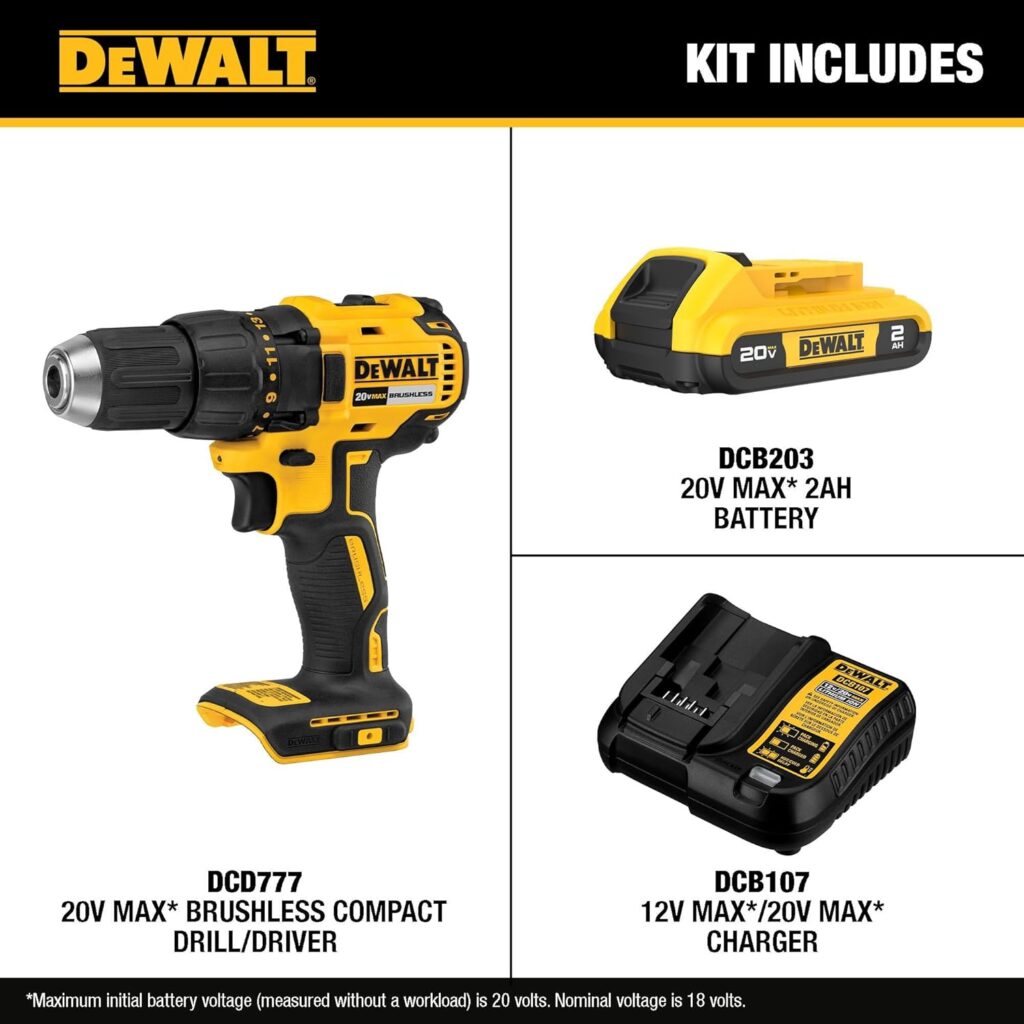
If you want a reliable all-around option, this is it.
The DEWALT DCD771C2 delivers enough torque to drill into studs behind drywall while still offering precise clutch settings for wall anchors.
It’s powerful — but not overwhelming.
Why it works well for drywall:
- Adjustable clutch prevents over-tightening anchors
- Dual-speed transmission (0–450 / 0–1,500 RPM)
- Stable grip for overhead work
- Two batteries included
Pros:
- Excellent balance of power and control
- Trusted brand durability
- Reliable for long-term use
Cons:
- Slightly heavier than compact 12V models
2️⃣ Bosch PS31-2A – Best Lightweight Drill for Drywall
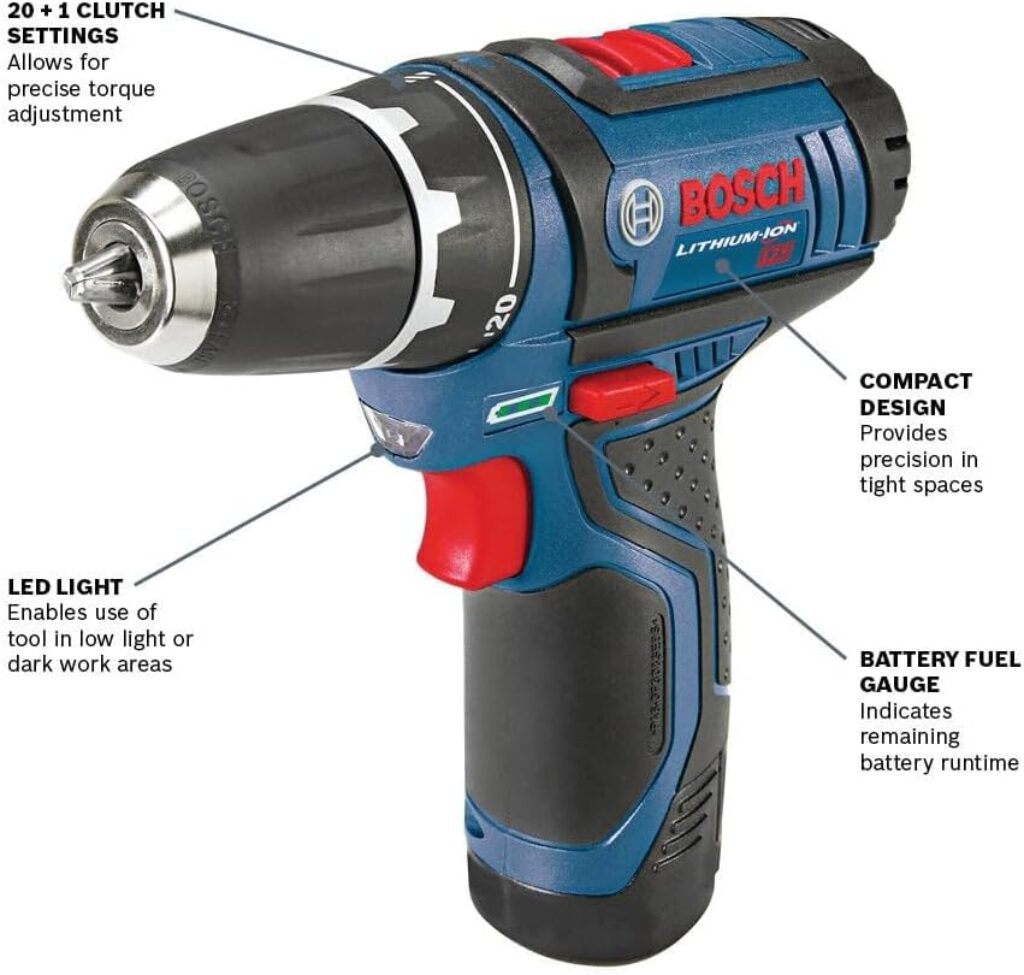
If you’re mainly hanging shelves, curtain rods, or light fixtures, this compact 12V drill is easier to manage.
At just over 2 pounds, it’s far less tiring for overhead installations.
Why it’s great for drywall:
- Compact size reduces wall wobble
- Smooth trigger control
- Excellent clutch precision
- Ideal for anchors and small screws
Pros:
- Very lightweight
- Beginner-friendly
- Easy one-handed use
Cons:
- Less torque for heavy-duty mounting
If you’re mostly installing shelving units, you may also want to read our guide on the best drill for hanging shelves.
3️⃣ BLACK+DECKER LD120VA – Best Budget Drill for Drywall
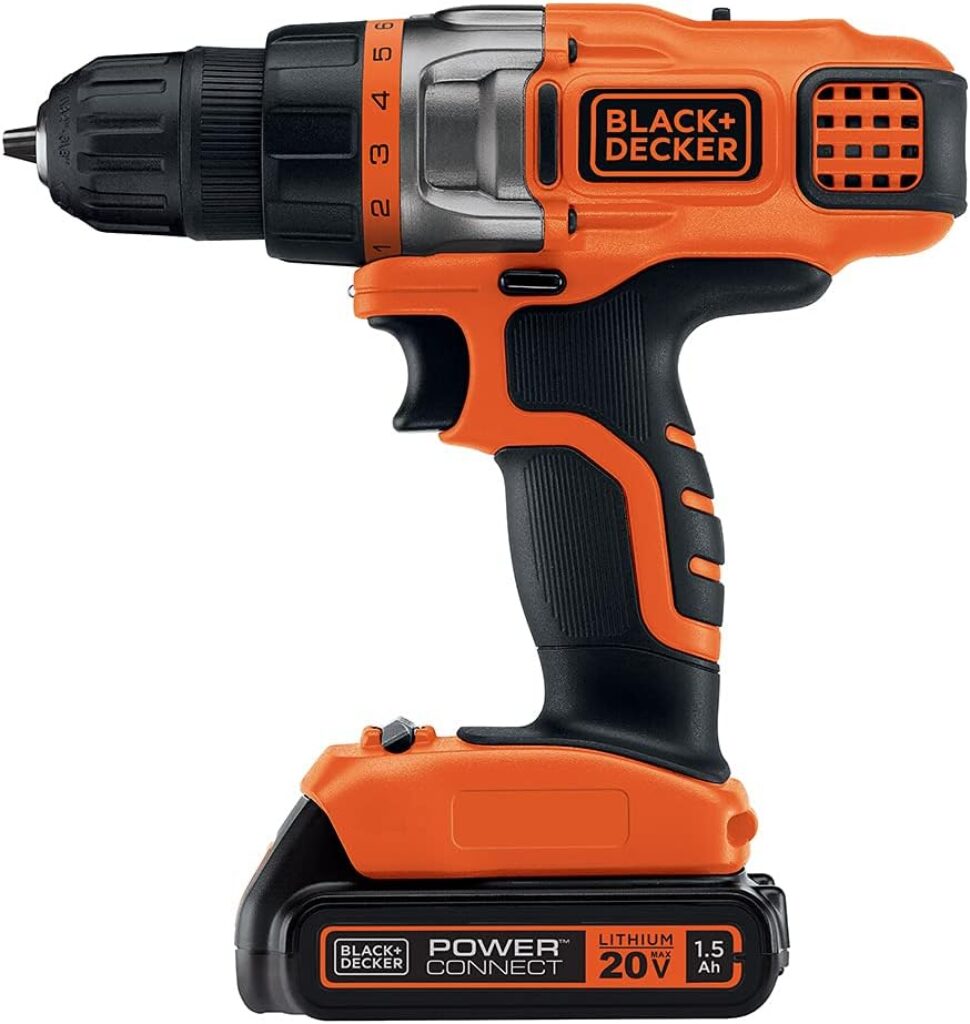
If you want something affordable that still handles drywall safely, this model works surprisingly well for light home projects.
It includes clutch settings and enough power for typical drywall anchors.
Best for:
- Curtain rods
- Lightweight floating shelves
- Picture frames
- Basic home repairs
Pros:
- Budget-friendly
- Lightweight
- Includes starter accessories
Cons:
- Battery runtime is moderate
- Not ideal for dense hardwood
If you’re trying to stay under a strict budget, explore our breakdown of the best cordless drills under $150.
4️⃣ Ryobi ONE+ – Best Long-Term Ecosystem Choice
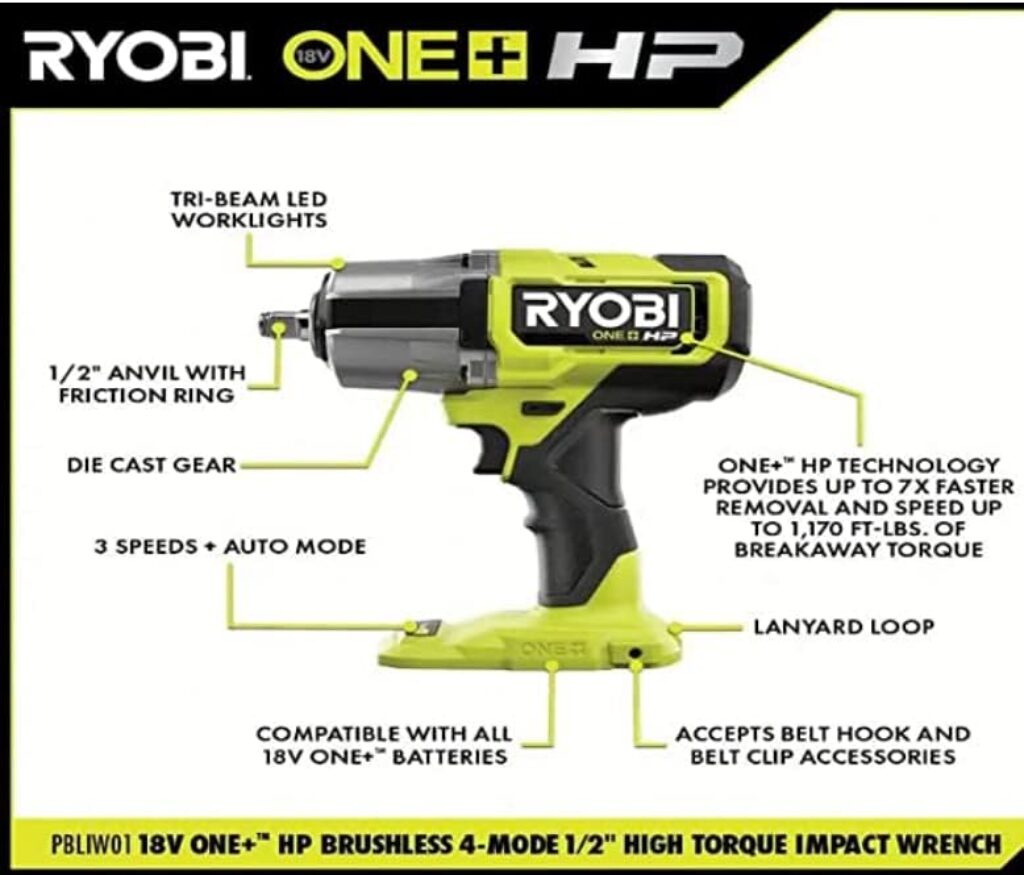
If you plan to expand your tool collection, Ryobi’s ONE+ battery system works across dozens of tools.
For drywall work, it provides solid torque with adjustable clutch settings that prevent damage.
Pros:
- Strong battery ecosystem
- Affordable expansion options
- Good power for wall studs
Cons:
- Slightly bulkier
Common Mistakes When Drilling into Drywall
Even with the best drill for drywall, beginners often make these mistakes:
❌ Using maximum torque
❌ Skipping the clutch adjustment
❌ Driving anchors too fast
❌ Not checking for studs
Always start with a low clutch setting and increase gradually.
If you’re unsure whether you need a drill or a different tool, see our full comparison of cordless drill vs impact driver.
When You Don’t Need a Powerful Drill
Many first-time homeowners assume more power is better.
But for drywall, excess torque can:
- Crack the wall surface
- Spin anchors loose
- Strip screw heads
In most cases, a 12V or 18V drill is more than enough.
If you’re just setting up your first home toolkit, you may also find our guide on the best drill for first-time homeowners helpful.
Frequently Asked Questions
What is the best drill for drywall anchors?
A cordless drill with adjustable clutch settings and moderate torque is ideal. 12V–20V models with clutch control work best.
Can I use an impact driver for drywall?
It’s not recommended. Impact drivers deliver high torque bursts that can easily overdrive screws and damage drywall anchors.
Is 20V too powerful for drywall?
No — as long as you use the clutch properly and avoid max speed.
Final Verdict
The best drill for drywall is one that prioritizes control over raw power.
For most homeowners, the DEWALT DCD771C2 offers the strongest balance of torque, clutch precision, and reliability.
If you prefer something lighter and easier to handle, the Bosch PS31-2A is an excellent choice.
Drywall work isn’t about brute force — it’s about precision.
Choose a drill that helps you install anchors cleanly, safely, and confidently.