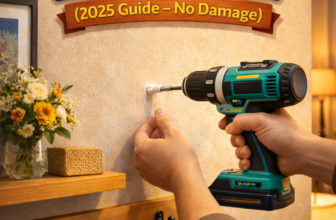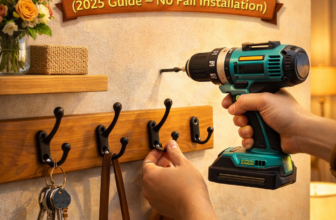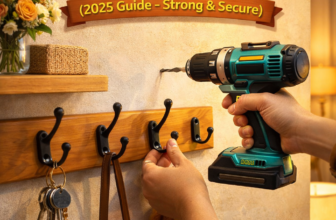

The best cordless drill for DIY home projects should offer the right balance of power, control, battery life, and long-term value. Whether you’re assembling furniture, installing shelves, mounting TVs, or tackling light renovation work, choosing the right drill can make your projects smoother and far less frustrating.
Many homeowners make the mistake of either buying an underpowered drill that struggles with hardwood and thicker materials — or overspending on a heavy-duty model designed for contractors. In this 2025 expert guide, we break down what truly matters for DIY users and help you choose the right cordless drill for your home projects.
ℹ️ This article contains affiliate links. If you choose to make a purchase through them, we may earn a small commission at no extra cost to you.
🔎 Quick Answer (TL;DR)
- Best Overall for DIY: Mid-range 18V/20V brushless drill
- Best Budget Option: Reliable 18V model under $150
- Best Compact Choice: 12V drill for light tasks
- Best Long-Term Value: Drill within a strong battery ecosystem
- Avoid: Overpowered contractor-grade drills for basic home use
If you want deeper comparisons, check our guide to best cordless drills under $150 for budget-friendly options.
Comparison Table: Best Cordless Drill for DIY Home Projects
| Model | Voltage | Brushless | Torque | Best For | Ideal User |
|---|---|---|---|---|---|
| DEWALT DCD771C2 | 20V | ❌ | ~650 in-lbs | General DIY | Homeowners |
| Makita FD07R1 | 12V | ✔ | ~280 in-lbs | Light tasks | Beginners |
| Mid-Range 18V Brushless | 18V/20V | ✔ | 800–1200 in-lbs | Versatile projects | Serious DIYers |
Top Picks for DIY Home Projects
1️⃣ DEWALT 20V MAX (Great All-Around Choice)
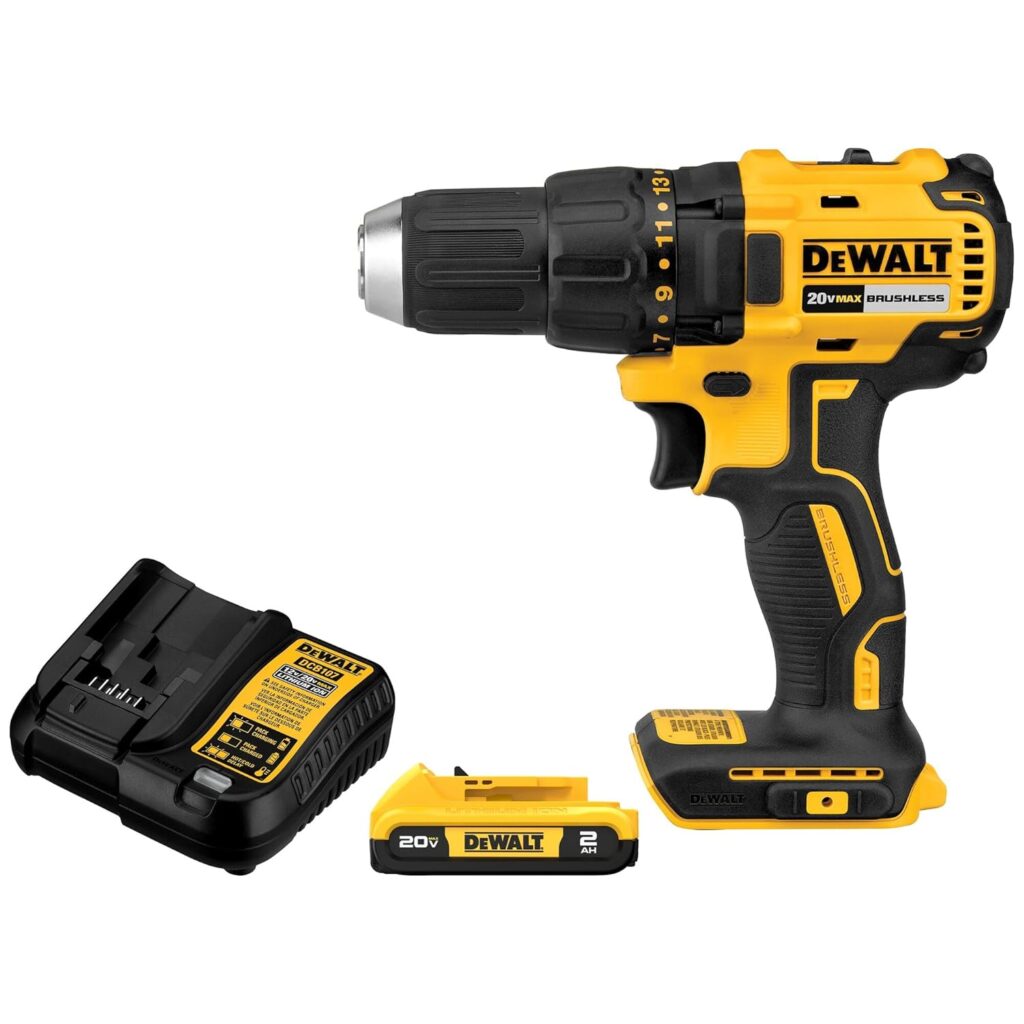
The DEWALT 20V MAX platform is one of the most popular options among homeowners. It provides enough torque for cabinet installation, light framing, and furniture assembly without being overly heavy.
Best For:
- Installing shelves
- Mounting TVs
- Driving deck screws
- General household projects
Why It Works for DIY:
- Balanced power
- Comfortable grip
- Large battery ecosystem
- Affordable kits available
If you’re comparing brands, read our detailed DEWALT vs Makita comparison to see ecosystem differences.
2️⃣ Makita 12V CXT (Compact & Lightweight)
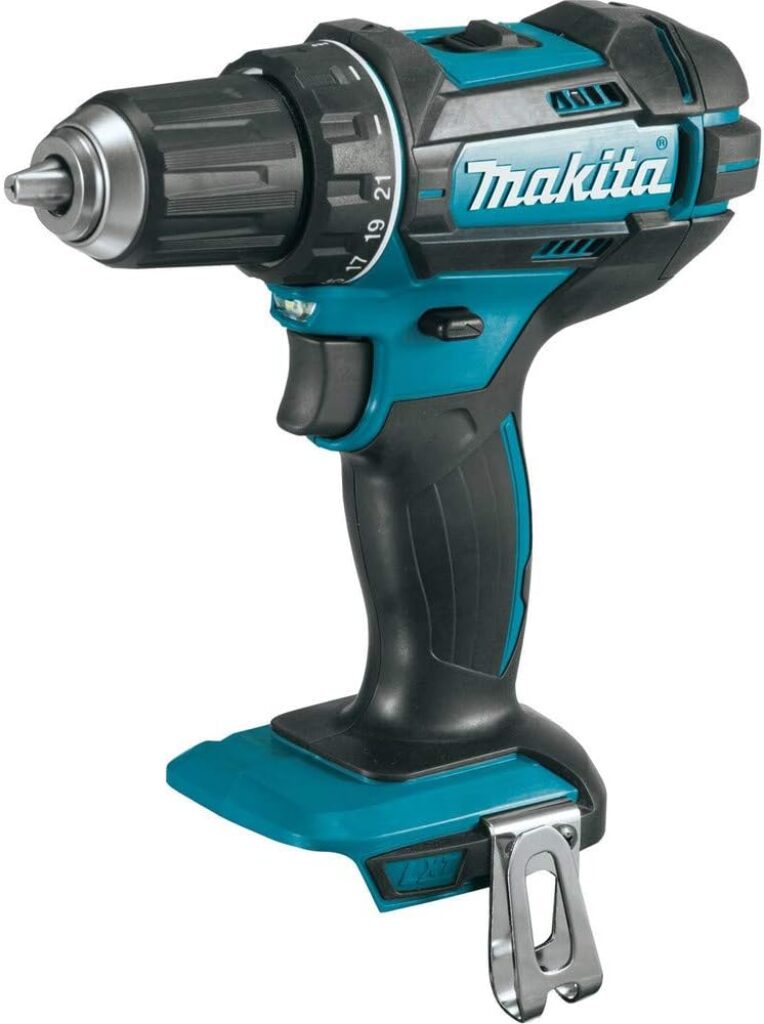
For light DIY tasks like furniture assembly or hanging picture frames, a compact 12V drill can be ideal.
Best For:
- Light-duty drilling
- Tight spaces
- Users with smaller hands
- Low-fatigue tasks
However, if you frequently work with thicker wood or structural screws, 12V may feel underpowered.
3️⃣ Mid-Range 18V/20V Brushless Drill (Best Long-Term Value)
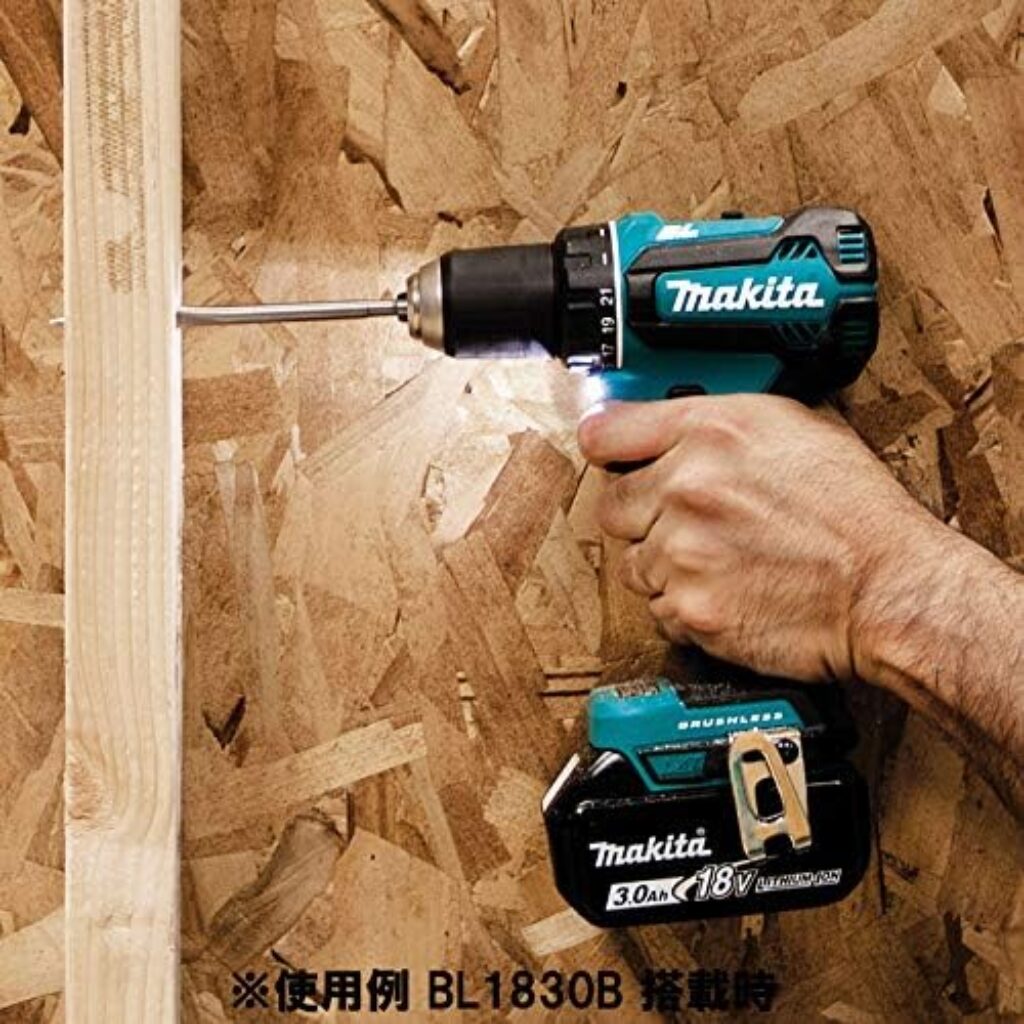
For most homeowners, a brushless 18V or 20V cordless drill offers the best combination of torque and runtime.
Brushless motors:
- Run cooler
- Last longer
- Improve battery efficiency
According to manufacturer efficiency data from companies like DEWALT and Makita, brushless systems typically extend battery runtime compared to brushed motors.
👉 manufacturer specifications from DEWALT
How to Choose the Best Cordless Drill for DIY Home Projects
Choosing the best cordless drill for DIY home projects isn’t about buying the strongest model available. It’s about buying the right tool for your typical workload.
For most homeowners, the best cordless drill for DIY home projects is one that balances torque and control rather than maximum raw power.
Voltage: 12V vs 18V vs 20V
- 12V: Light tasks, compact, minimal fatigue
- 18V / 20V: Most versatile for DIY
- Higher Voltage: Usually contractor-level
For the average homeowner, 18V or 20V is the sweet spot.
How Much Torque Do DIY Homeowners Really Need?
One of the most misunderstood specs is torque.
Here’s a simple breakdown:
- 300–500 in-lbs → Furniture assembly
- 500–800 in-lbs → Cabinet installation
- 800–1200 in-lbs → Deck screws & hardwood
- 1200+ in-lbs → Heavy-duty contractor work
Most DIY projects rarely exceed 1000 in-lbs.
If your main focus is fastening rather than drilling, you may want to compare a cordless drill vs impact driver before choosing.
Brushless vs Brushed
Brushless motors are:
- More efficient
- Longer-lasting
- Better under load
Brushed motors are:
- Cheaper
- Adequate for light DIY
For long-term value, brushless is usually worth the extra investment.
Battery Platform Strategy (Very Important)
Many homeowners overlook this:
Your first drill often determines your future tool purchases.
If you choose a platform like:
- DEWALT 20V MAX
- Makita 18V LXT
- Ryobi ONE+
You’ll likely expand within that ecosystem.
If you’re starting from scratch, consider reading our guide on the best power tools starter kit for DIYers.
Cordless Drill vs Impact Driver
Many beginners ask whether they should buy a drill or an impact driver.
Here’s the simple answer:
- Drill: Best for drilling holes + light fastening
- Impact Driver: Best for driving long screws & bolts
If you’re unsure, read our full breakdown on cordless drill vs impact driver: what’s the difference in 2025.
For most DIY homeowners, starting with a drill makes more sense. You can add an impact driver later if needed.
Common Mistakes Homeowners Make
Even with the best cordless drill for DIY home projects, mistakes can reduce performance:
- Buying too much power
- Ignoring clutch settings
- Choosing a weak battery
- Overlooking ergonomics
- Mixing battery platforms
Avoiding these mistakes can extend tool life and improve safety.
According to OSHA safety guidelines, proper drill handling and correct torque settings significantly reduce injury risk during home renovation projects. Using the correct clutch setting not only protects materials but also improves safety during repetitive fastening.
👉 Comply with OSHA safety guidelines
When Should You Upgrade From a DIY Drill?
Upgrade if:
- You’re working with hardwood frequently
- You build decks or structural frames
- You need extended runtime
- You expand into serious renovation work
Otherwise, most DIY homeowners do not need contractor-grade tools.
Frequently Asked Questions
Is a 20V drill too powerful for home use?
No. A 20V drill is typically the ideal choice for most home projects. It offers enough torque without becoming excessively heavy.
Are brushless drills worth it for DIY?
Yes, especially for long-term ownership. They provide better battery efficiency and motor longevity.
Can one drill handle all home projects?
For most homeowners, yes. A mid-range 18V or 20V drill can handle furniture, cabinets, shelves, and light framing.
Should beginners buy a combo kit?
If you don’t own any tools yet, a starter kit that includes both a drill and impact driver can offer better overall value.
Who Should Buy This Drill?
The best cordless drill for DIY home projects is ideal for homeowners who:
- Frequently assemble furniture or cabinets
- Install shelving or wall mounts
- Drill into wood, drywall, or light metal
- Want one versatile tool instead of multiple specialized tools
If you mainly handle occasional repairs and light-duty tasks, a compact 12V model may be sufficient. However, for ongoing home improvement projects, a mid-range 18V or 20V drill provides better long-term value and flexibility.
Final Verdict: Best Cordless Drill for DIY Home Projects
The best cordless drill for DIY home projects is not necessarily the most powerful — it’s the one that matches your typical workload.
For most homeowners:
- Choose a mid-range 18V or 20V drill
- Prefer brushless if budget allows
- Stick to a reliable battery ecosystem
- Avoid contractor-grade overkill
If you’re budget-focused, explore our guide to the best cordless drills under $150.
If fastening power is your priority, read our review of the best impact driver for beginners.
In 2025, the best cordless drill for DIY home projects is not the most expensive model, but the one that fits your real usage pattern.
Ultimately, the right drill should feel comfortable in your hand, handle your most common tasks with ease, and allow room for future tool expansion.