Best Drill for Installing Heavy Coat Hooks Without Studs (2025 Guide – Strong & Secure Hold)

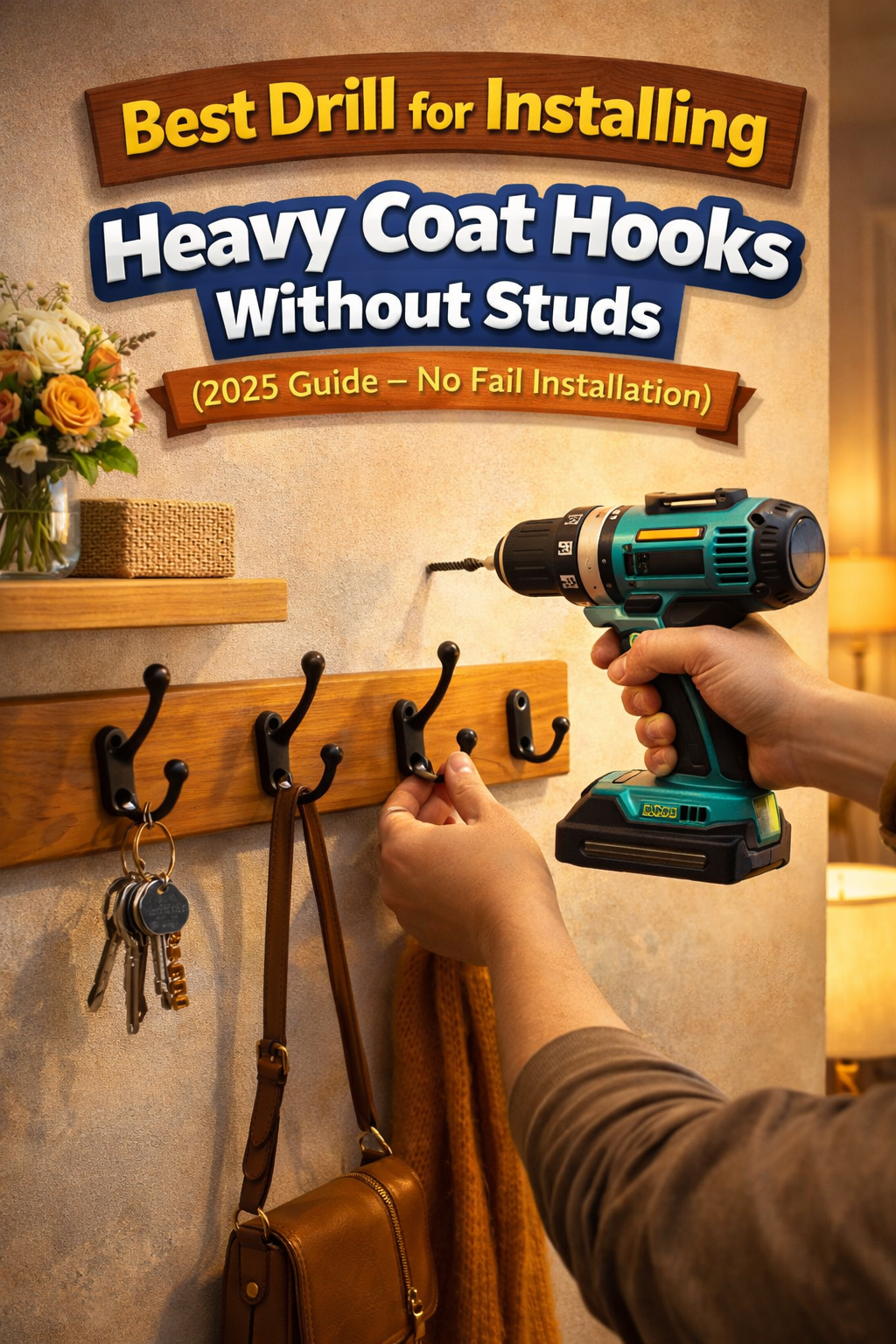
The best drill for installing heavy coat hooks without studs is one that gives you full control, creates tight anchor holes, and ensures your hooks stay secure even under daily weight.
Heavy coat hooks are one of the most demanding wall installations in an apartment.
Unlike small shelves or decorative items, coat hooks deal with constant load and repeated stress:
- heavy jackets
- backpacks
- bags
- daily pulling force
And when you’re working without studs, everything depends on drywall anchors.
If you’re searching for the best drill for installing heavy coat hooks without studs, choosing the wrong drill can lead to loose anchors, damaged walls, and hooks that fail over time.
ℹ️ This article contains affiliate links. If you purchase through them, we may earn a small commission at no extra cost to you.
🏆 Quick Recommendation (Most Reliable Choice)
If you want the safest and most mistake-proof drill for drywall anchors, this is the one to choose.
Check Price on AmazonWhy Heavy Coat Hooks Fail (Even When Installed “Correctly”)
Here’s the truth most people don’t realize:
👉 anchors don’t fail instantly
👉 they fail over time
Because:
- repeated pulling weakens the grip
- slight hole looseness gets worse
- drywall compresses slowly
- The most common mistake?
- hole too large by just 1–2mm
That’s enough to reduce holding strength significantly.
The best drill for installing heavy coat hooks without studs helps prevent that exact problem.
What Actually Makes a Drill “Right” for This Job?
Forget power.
For drywall, the best drill is about:
✔ control
✔ stability
✔ consistency
You need a drill that:
- starts slowly
- doesn’t jerk forward
- lets you stop precisely
Because once the hole is too big:
👉 there is no fix
Choosing the best drill for installing heavy coat hooks without studs means choosing control over speed.
What Happens If You Use the Wrong Drill?
Using the wrong drill for drywall anchor installation can cause problems that are not immediately visible — but show up over time.
For heavy coat hooks, this becomes even more serious because of daily stress and repeated pulling.
If the drill is too aggressive:
- holes become slightly oversized
- anchors lose their grip
- drywall weakens internally
If the drill lacks control:
- alignment becomes inconsistent
- pressure is uneven
- anchors sit incorrectly
Over time, these small issues lead to:
- hooks loosening
- brackets shifting
- anchors failing completely
This is why choosing the best drill for installing heavy coat hooks without studs is not just about getting the job done — it’s about making sure the installation lasts.
Best Drill for Installing Heavy Coat Hooks Without Studs
1. Bosch PS31-2A — Best Overall (Most Forgiving and Reliable)
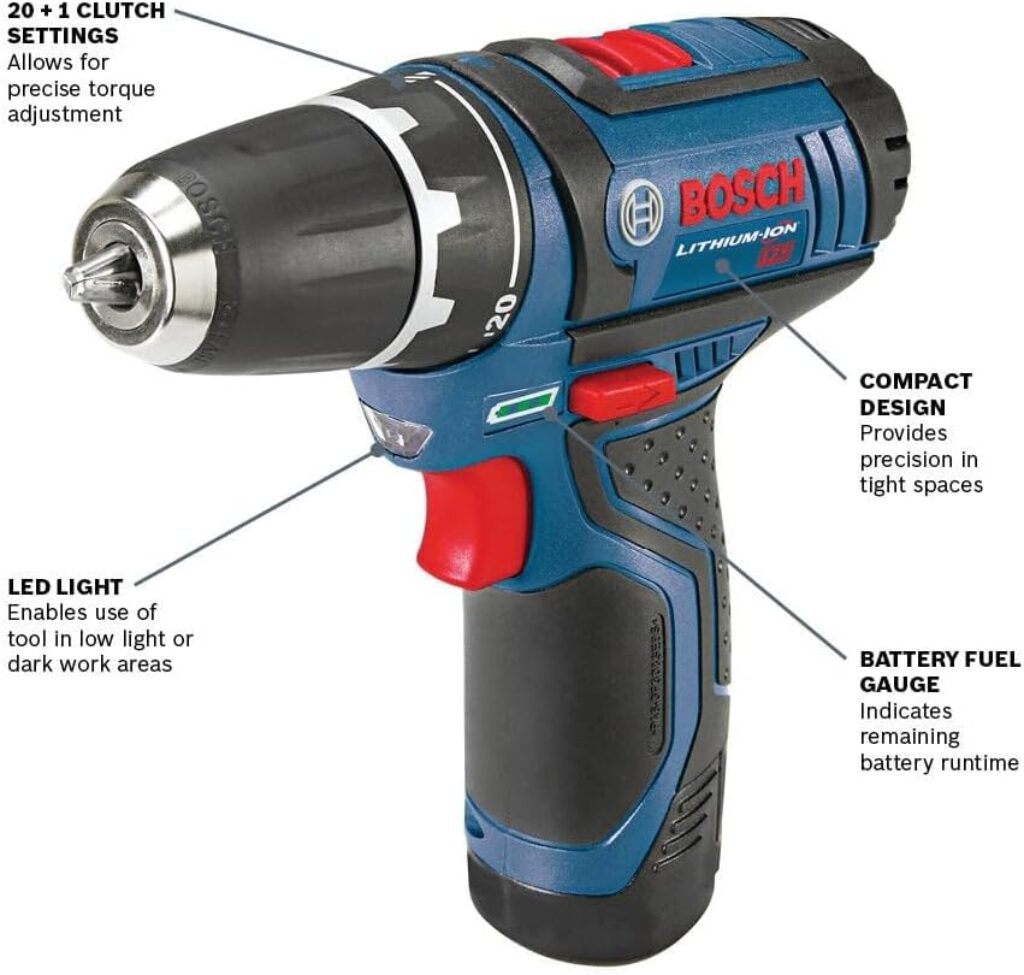
If you want the highest success rate on your first attempt, this is the drill to use.
What makes the Bosch PS31-2A stand out is how “forgiving” it feels — especially for drywall work.
When you press the trigger, it doesn’t jump or spin aggressively. Instead, it builds speed gradually. That gives you a small but critical window to stabilize your hand and align the bit perfectly.
That single moment often determines whether your anchor will hold or fail.
With heavy coat hooks, this matters even more.
Because unlike decorative items, hooks experience constant movement. Even a slightly loose anchor will eventually fail under repeated use.
This drill helps prevent that by allowing you to:
- drill tight, controlled holes
- maintain perfect alignment
- avoid damaging drywall surface
- keep anchor depth consistent
Another thing you’ll notice is how light it feels.
When drilling at shoulder height or above — especially in entryways — a heavier drill can make your hand shake slightly. That leads to misalignment and wider holes.
This drill avoids that problem completely.
In real-world use, it performs exceptionally well for:
- entryway coat hooks
- hallway storage systems
- apartment installations
- high-use hooks
If you’re serious about getting this right the first time, this is easily the best drill for installing heavy coat hooks without studs.
2. Makita FD07R1 — Best for Precision and Clean Finish
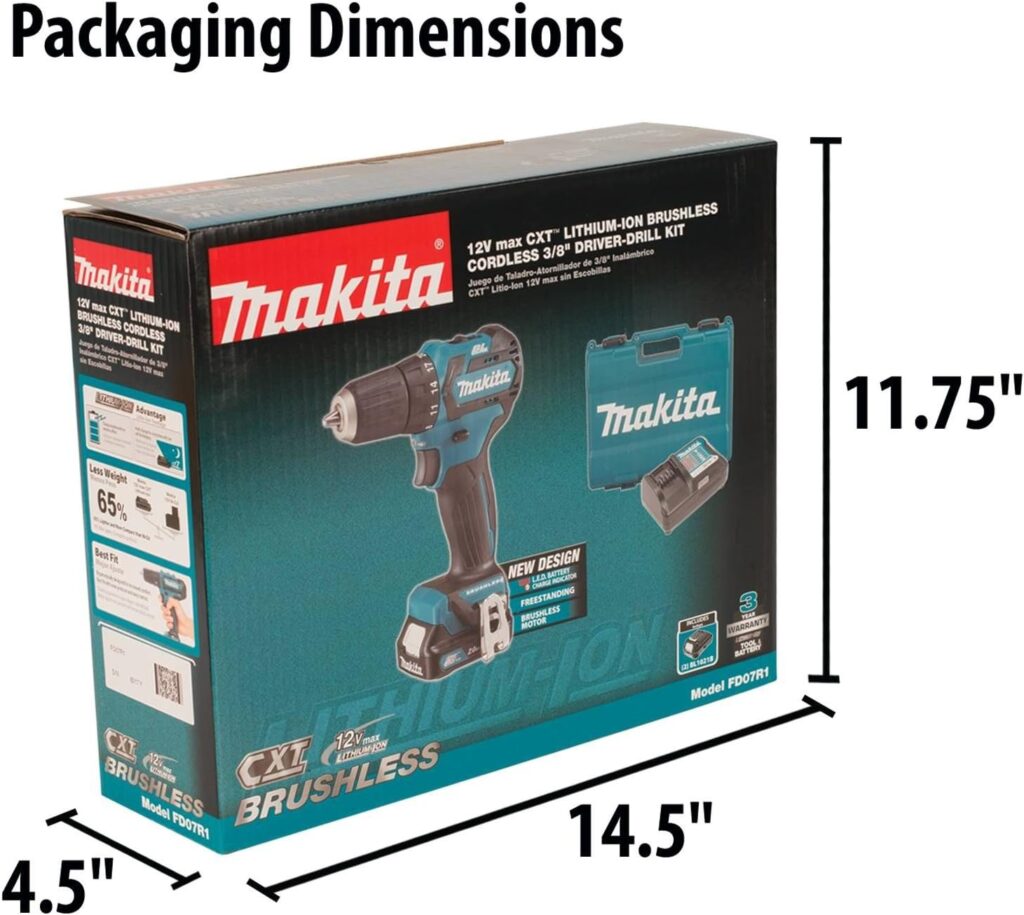
If your goal is a clean, perfectly aligned installation, the Makita FD07R1 is a strong choice.
This drill feels extremely smooth and controlled, which makes it easier to manage during delicate drilling.
With coat hooks, alignment matters more than most people expect.
If the holes are even slightly uneven:
👉 the hook tilts
👉 stress becomes uneven
👉 anchor weakens faster
This drill helps eliminate that issue by giving you:
- very stable drilling
- consistent speed control
- better accuracy on first contact
It’s especially useful if you are installing:
- multiple hooks in a row
- decorative layouts
- symmetrical setups
Its compact size also makes it easier to work in tight apartment spaces like entryways and closets.
This is the drill for people who prefer to go slow and get everything perfect.
3. DEWALT DCD771C2 — Best for Power + Long-Term Use
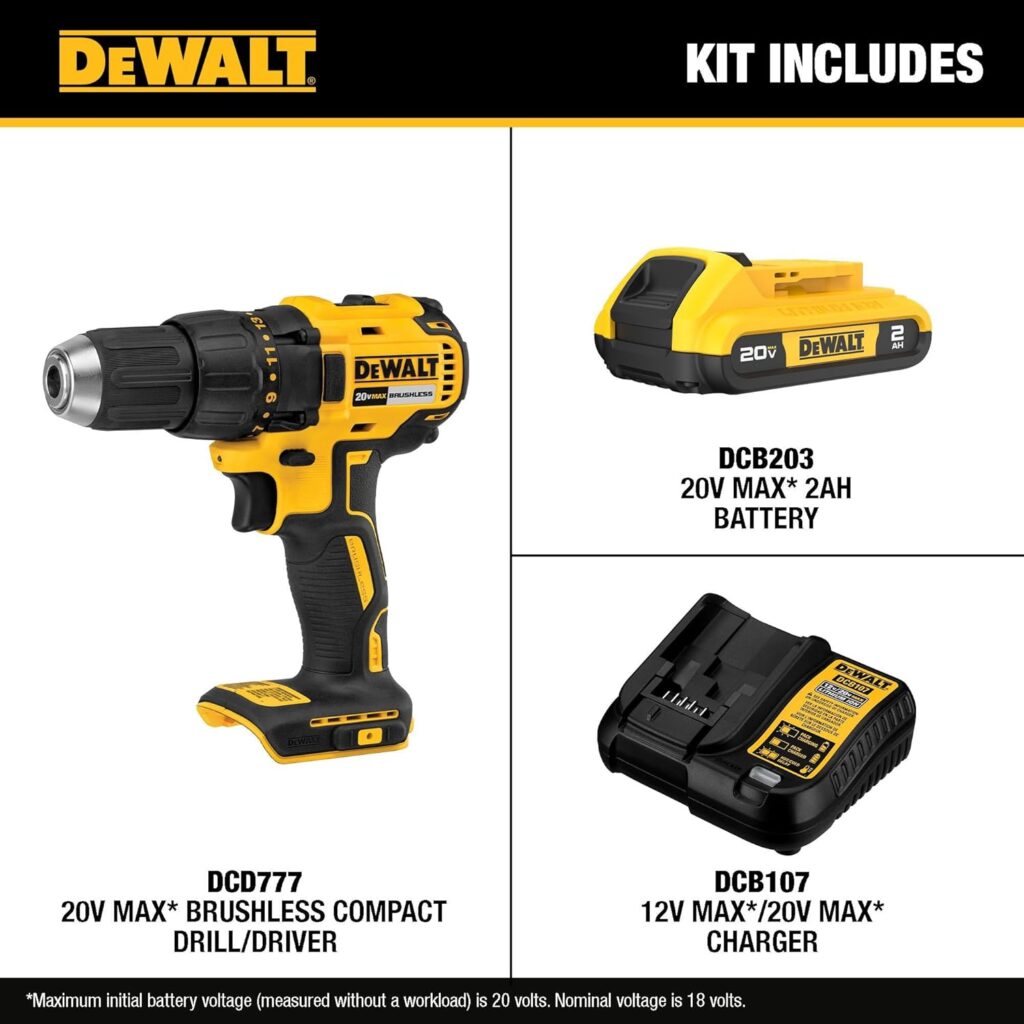
If you want a drill that can handle more than just this one job, the DEWALT DCD771C2 is a smart investment.
This drill gives you more power, which can be useful for:
- stronger anchors
- thicker drywall layers
- future DIY projects
But here’s the key:
👉 power must be controlled
Because with drywall, too much speed or pressure can ruin the hole instantly.
To use this drill properly:
- keep speed low
- set clutch correctly
- drill slowly
When used correctly, it performs very well.
Its biggest advantage is versatility.
After installing your hooks, you can use it for:
- shelves
- furniture
- curtain rods
- general repairs
So instead of buying multiple tools, you get one that does everything.
4. BLACK+DECKER LD120VA — Best Budget Option (For Light Use)
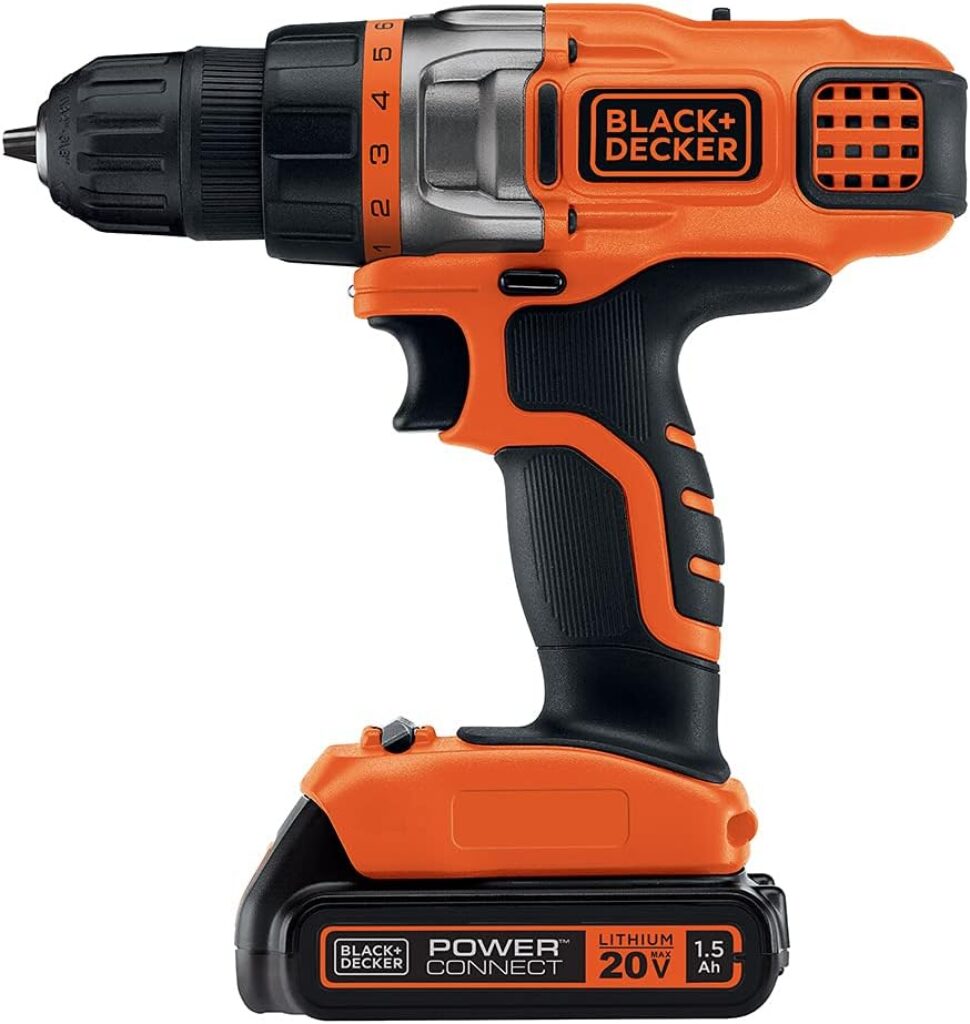
If you just need something simple and affordable, this drill gets the job done.
It’s lightweight, easy to use, and beginner-friendly.
That makes it a good choice if you:
- rarely do DIY
- only need to install a few hooks
- want a low-cost option
The clutch helps prevent over-tightening, which is important for drywall anchors.
However, it does require a more careful approach.
The trigger is not as smooth as higher-end models, so you’ll need to:
- drill slowly
- avoid sudden pressure
- stay focused on alignment
It’s not ideal for heavy-duty use, but for light-to-medium coat hooks, it works well.
Step-by-Step: Installing Heavy Coat Hooks Without Studs
Step 1: Choose Strong Anchors
Use toggle or metal anchors
Step 2: Mark Carefully
Ensure spacing is correct
Step 3: Drill Slowly
Let the drill do the work
Step 4: Insert Anchor
Make sure it fits tightly
Step 5: Test Gradually
Add weight slowly before full use
According to Family Handyman, most anchor failures are caused by improper hole size — not the anchor itself.
🔗 Related Guides (Recommended Reading)
If you’re working on similar drywall installations, these guides will help you avoid common mistakes and choose the right tools for each task:
- 👉 Best drill for drywall anchors in apartment walls
- 👉 Best drill for hanging heavy pictures without studs
- 👉 Best drill for installing floating shelves without studs
- 👉 Best drill for installing wall shelves in apartments
- 👉 Best drill for installing wall hooks in apartments
- 👉 Best drill for hanging curtain rods without studs
- 👉 Best drill for installing small wall shelves without studs
Each of these guides focuses on a specific use case, helping you understand how to choose the best drill based on your exact project — not just general recommendations.
Is This the Best Drill for Installing Heavy Coat Hooks Without Studs for Beginners?
If you’re new to DIY, choosing the best drill for installing heavy coat hooks without studs can feel overwhelming.
The safest approach is to use a drill that gives you full control from the start. A lightweight drill with a smooth trigger allows you to drill slowly, maintain alignment, and avoid damaging drywall.
Beginners often make the mistake of using too much power. But for drywall anchor installation, control is far more important than speed.
Choosing the right drill early will help you avoid costly mistakes and make your installation much easier.
FAQ
What is the best drill for installing heavy coat hooks without studs?
The best drill for installing heavy coat hooks without studs is a lightweight cordless drill with adjustable clutch and smooth speed control. These features help you drill precise holes and prevent anchor failure over time.
Can drywall hold heavy coat hooks without studs?
Yes, drywall can hold heavy coat hooks if you use the right anchors, such as toggle bolts or metal anchors. Proper drilling technique is just as important as anchor choice.
Should I use a hammer drill for coat hooks?
No, a hammer drill is not recommended for drywall. It can damage the wall and create oversized holes, which weaken anchor strength.
Why do coat hooks become loose over time?
Coat hooks often loosen because of repeated daily stress. If the original hole was slightly too large or the anchor was not installed correctly, the grip weakens over time.
How do I make coat hooks stronger without studs?
To make coat hooks stronger without studs, you should use high-quality anchors and ensure the hole is tight and precise. Choosing the best drill for installing heavy coat hooks without studs helps prevent common mistakes during installation.
Final Verdict
Installing heavy coat hooks without studs is one of those projects where precision matters more than power. Even a small mistake — like drilling slightly too wide or applying too much pressure — can weaken the anchor and cause problems later.
That’s why choosing the best drill for installing heavy coat hooks without studs is really about control, stability, and consistency.
If you’re not sure which drill fits your situation, here’s a simple way to decide:
- 👉 If you want the safest and most beginner-friendly option with the highest success rate, go with Bosch PS31-2A.
- 👉 If your priority is clean alignment and precise installation — especially for visible areas — choose Makita FD07R1.
- 👉 If you want one drill that can handle coat hooks and future home projects, go with DEWALT DCD771C2.
- 👉 If you’re on a budget and installing lighter or occasional hooks, choose BLACK+DECKER LD120VA.
Each of these drills can get the job done — the key is choosing one that helps you stay in control and avoid mistakes.
Take your time, drill slowly, and focus on keeping each hole tight and accurate. That’s what ensures your coat hooks stay secure and your walls remain damage-free over time.