Best Drill for Installing Garage Storage Systems (2025 Guide – Strong & Secure Mounting)

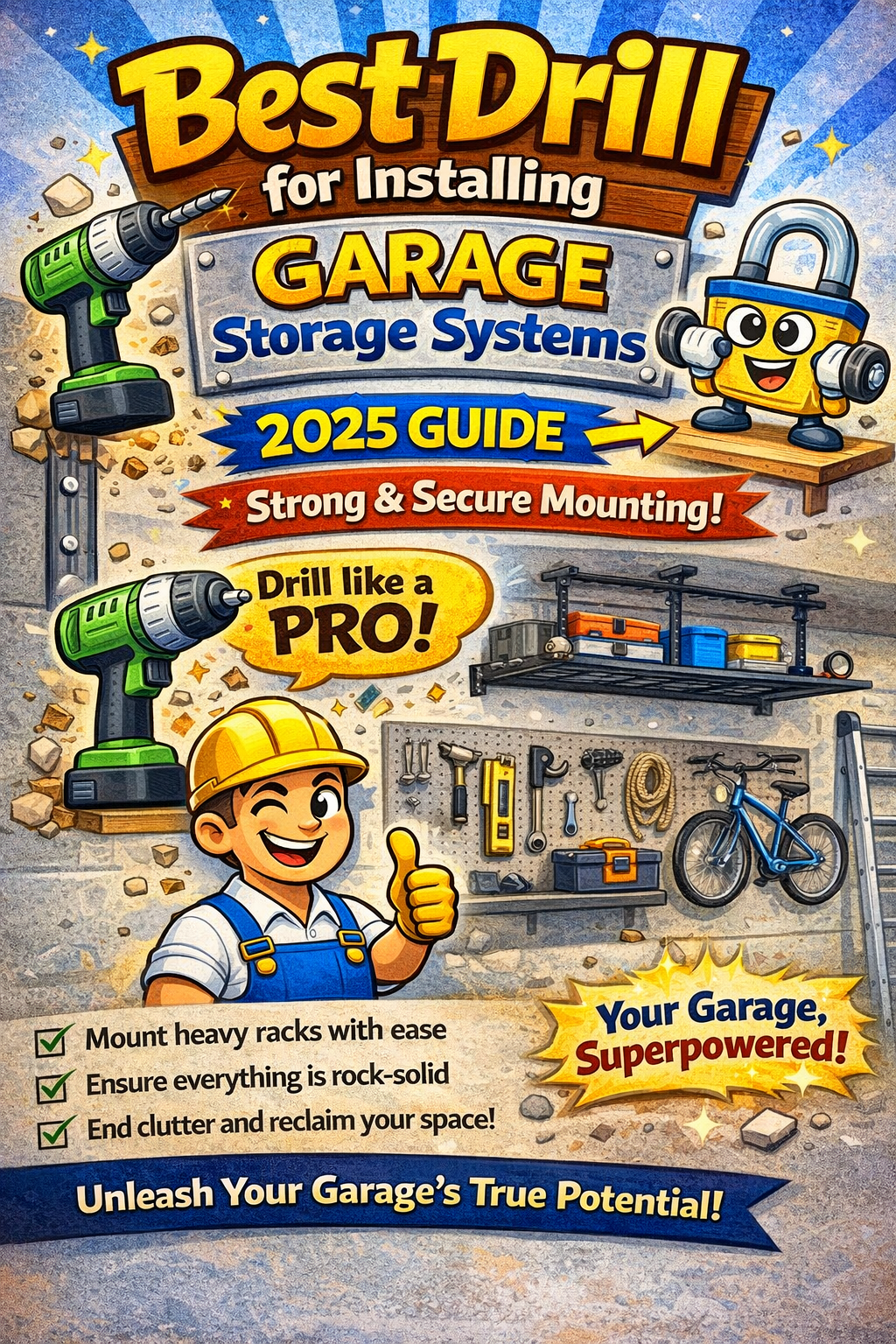
The best drill for installing garage storage systems is one that can handle heavy-duty mounting while still giving you enough control to avoid damaging walls or anchors.
Garage storage is not like hanging a picture or installing curtain rods.
You’re often dealing with:
- heavy shelving units
- wall-mounted racks
- ceiling storage systems
- metal brackets
And most importantly:
👉 weight
If installed incorrectly, garage storage systems can:
- pull out of the wall
- become unstable
- collapse under load
In most cases, the problem isn’t the storage system itself.
👉 It’s the installation — and the tool used.
That’s why choosing the best drill for installing garage storage systems is critical for safety and long-term durability.
In this guide, we’ll cover:
- what kind of drill you actually need
- the best drills for heavy mounting
- real installation techniques
- common mistakes that lead to failure
ℹ️ This article contains affiliate links. If you purchase through them, we may earn a small commission at no extra cost to you.
🏆 Quick Recommendation
Installing heavy garage racks? These drills provide the power and control needed for secure mounting.
Why Garage Storage Installation Is Different
Installing garage storage systems is one of the most demanding DIY tasks for homeowners.
Unlike light-duty projects, this involves:
- drilling into studs or concrete
- supporting significant weight
- precise alignment of brackets
This means the best drill for installing garage storage systems must deliver:
👉 power + stability + control
If you’re unsure about general drill capabilities, you may want to explore our guide to the best cordless drill for home projects.
How to Choose the Best Drill for Installing Garage Storage Systems
Choosing the best drill for installing garage storage systems is not just about picking the most powerful option. You need a drill that delivers both strength and control.
Garage installations involve heavy loads, so your drill must handle pressure without losing stability.
- High torque: Required for driving lag bolts into studs or concrete anchors
- Two-speed settings: High speed for drilling, low speed for controlled fastening
- Battery performance: Longer projects require consistent power output
- Grip and balance: Essential when working overhead or on ladders
In most cases, the best drill for installing garage storage systems is one that balances power and control — not just raw strength.
If you’re on a budget, a model like the best cordless drill under $200 can handle most garage installations without sacrificing performance.
What Happens If You Use the Wrong Drill?
Garage storage systems are heavy — and the margin for error is much smaller than most home projects.
If you use the wrong drill, the problems may not appear immediately. But over time, they become obvious:
- anchors start to loosen
- bolts fail under load
- brackets shift or bend
- the entire system becomes unstable
In many cases, the issue is not the storage system — it’s the installation quality.
A drill that lacks power will struggle to drive bolts fully. A drill that lacks control can damage anchors or create misalignment.
That’s why choosing the best drill for installing garage storage systems is essential if you want a strong and long-lasting result.
Best Drill for Installing Garage Storage Systems
1. DEWALT DCD791B — Best Overall for Heavy-Duty Mounting
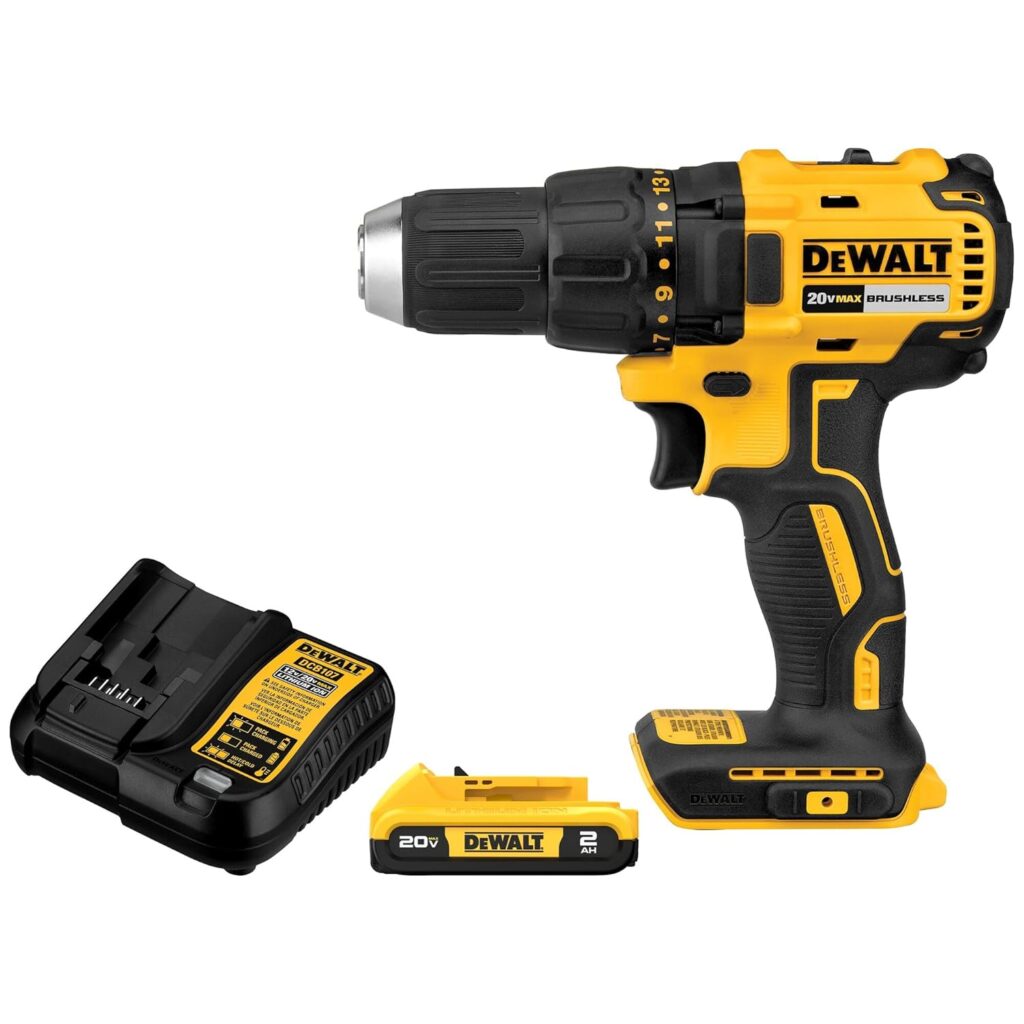
If you’re installing heavy garage storage — like wall racks, ceiling-mounted shelves, or tool systems — this is the kind of drill that gives you confidence from the first hole.
The biggest difference you’ll notice compared to cheaper drills is how stable it feels under load. When you’re driving long lag bolts into studs, a weak drill tends to stall or jerk suddenly. This one doesn’t.
It delivers power smoothly.
That matters a lot when you’re:
- standing on a ladder
- holding a bracket in place
- trying to keep everything aligned
Because one slip can throw off the entire installation.
The torque is strong enough for heavy-duty work, but it doesn’t feel uncontrollable. You can still dial it down using the clutch when needed — which helps prevent overtightening and damaging anchors.
Another thing you’ll appreciate is the balance. It’s powerful, but not overly heavy. That makes it easier to use during longer installs, especially when working overhead.
If you’re planning to install multiple storage systems or upgrade your entire garage, this is the kind of tool that saves time and avoids frustration.
Best for:
- heavy wall-mounted storage
- ceiling racks
- long-term garage upgrades
Not ideal if:
- you only need a drill for light, occasional tasks
2. Makita XFD131 — Best for Smooth Power
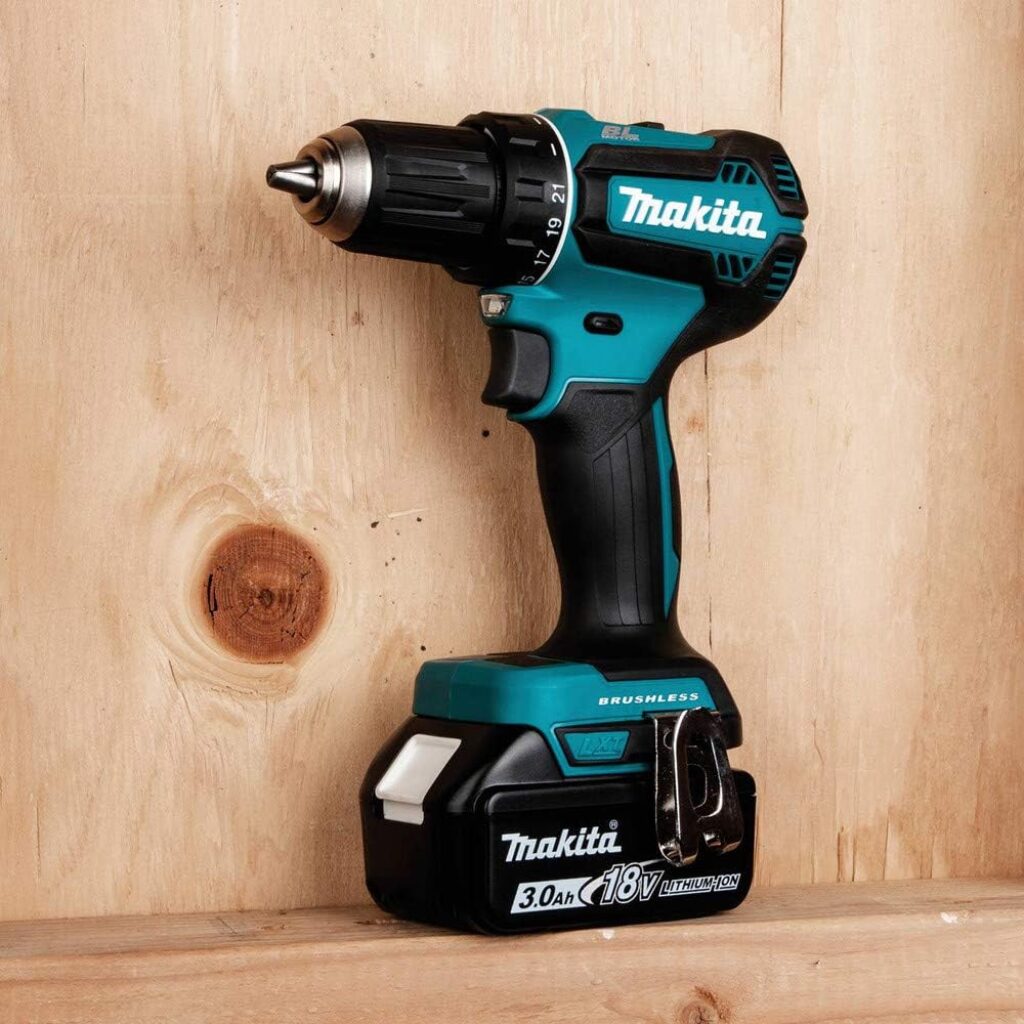
Not every garage project requires maximum power — sometimes control is more important.
That’s where the Makita XFD131 stands out.
Instead of feeling aggressive, this drill feels smooth and predictable. When drilling pilot holes into studs, it helps you stay on track without drifting or widening the hole.
This becomes especially useful when:
- aligning multiple brackets
- installing storage rails
- working on precise spacing
Because once your holes are off, your entire system can end up crooked.
The torque is still strong enough for most garage installations, but it’s delivered in a way that feels easier to manage — especially for homeowners who don’t do heavy DIY work often.
It’s also slightly more refined in terms of vibration, which reduces fatigue during longer sessions.
Best for:
- controlled installations
- precise bracket alignment
- homeowners who want easier handling
Not ideal if:
- you need maximum power for very heavy-duty systems
3. DEWALT DCD771C2 — Best Value Option
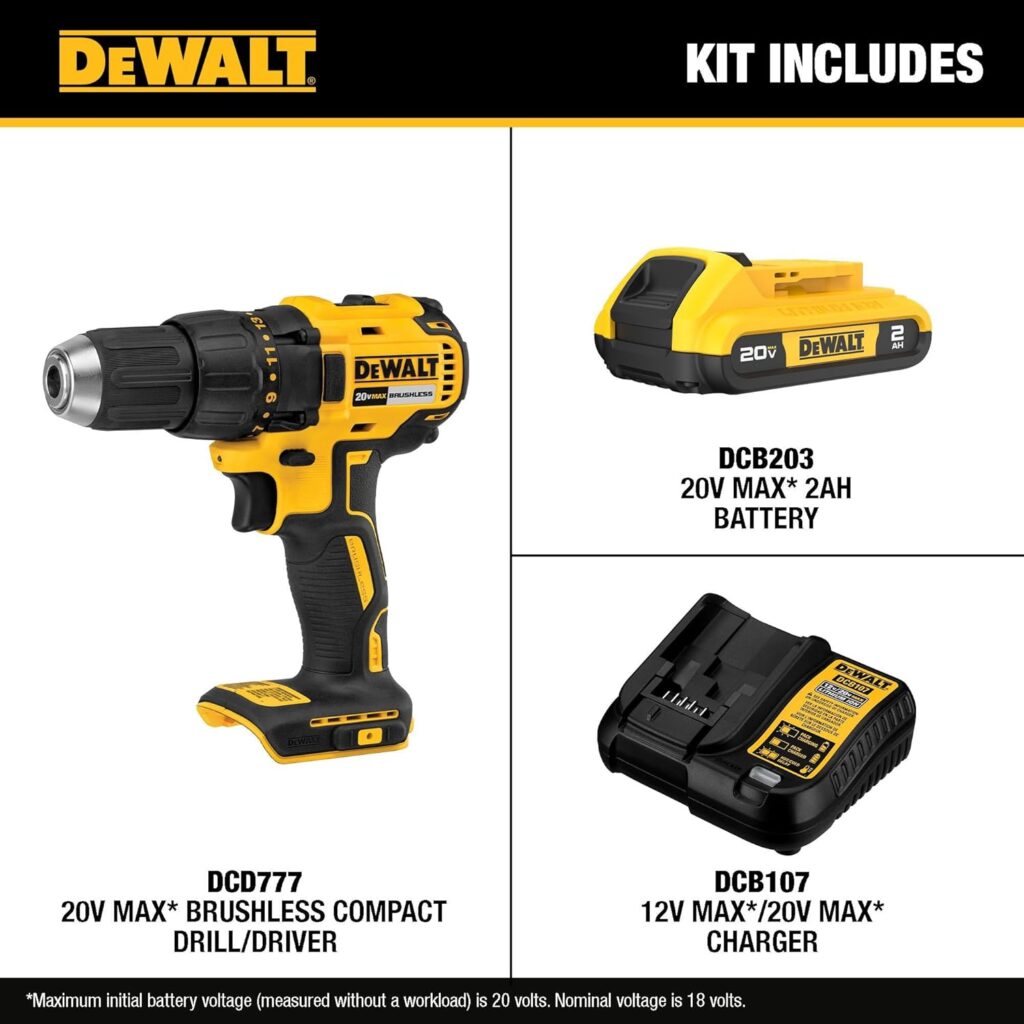
If you’re not just assembling IKEA furniture but also planning other home projects, this drill is a great all-around choice.
Compared to the Bosch and Makita, this model has more power — which can be useful, but also something you need to manage carefully.
When installing garage storage systems, the key is to:
- use low speed
- set the clutch properly
- apply light pressure
If you do that, this drill performs very well.
The advantage is versatility.
You can use it for:
- IKEA furniture
- installing shelves
- cabinet work
- general DIY projects
So instead of buying multiple tools, you get one drill that handles everything.
That said, because it’s more powerful, beginners need to be careful. It’s easier to overtighten screws if you’re not paying attention.
Best for:
- homeowners
- multi-purpose use
- medium DIY projects
Not ideal if:
- you want maximum precision with minimal effort
4. RYOBI ONE+ HP — Best Budget Ecosystem
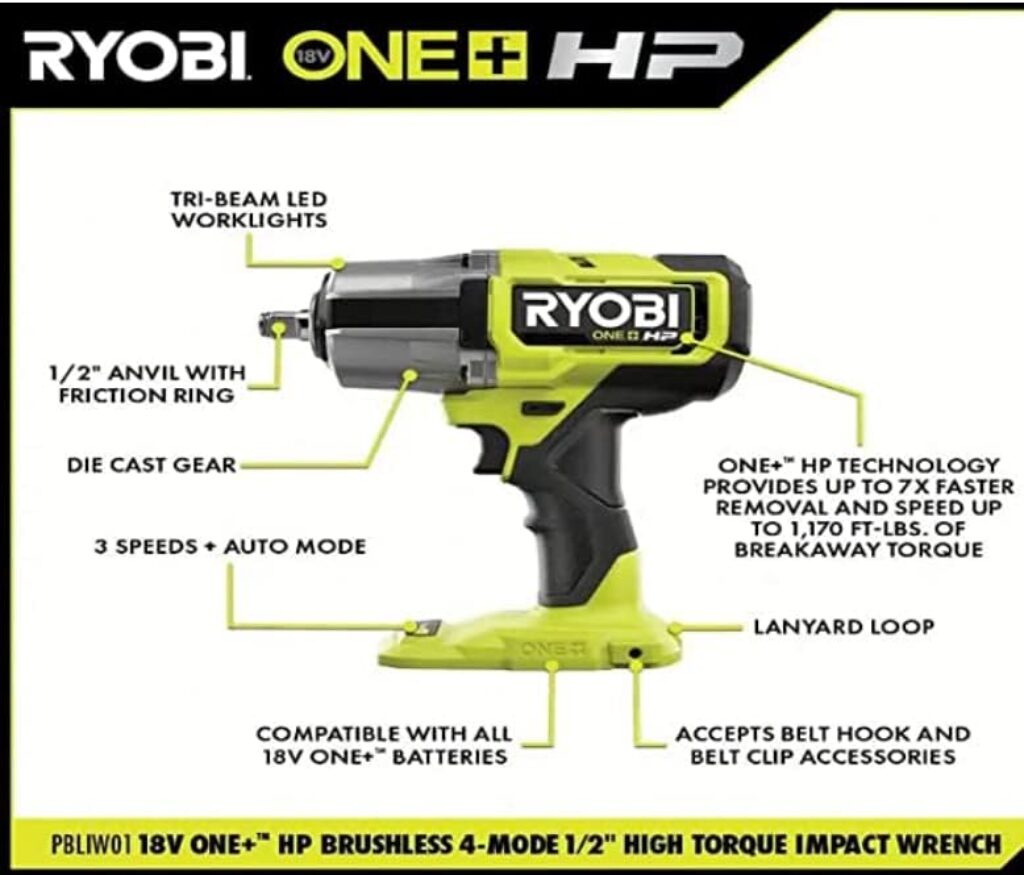
If you’re building a tool collection over time, Ryobi is one of the most flexible systems to start with.
This drill is not the most powerful in this list, but it’s capable enough for lighter garage installations — especially if you’re working with wall-mounted systems that don’t carry extreme weight.
The biggest advantage here is the ecosystem.
Once you invest in one Ryobi tool, you can:
- reuse batteries
- expand into other tools
- save money long-term
In terms of performance, it handles basic drilling and screw driving well, but you may notice:
- less torque compared to DEWALT
- slightly more effort needed
- less refined control
Still, for the price, it’s a very practical option.
Best for:
- budget users
- light to medium garage setups
- long-term tool expansion
Not ideal if:
- you’re installing heavy ceiling storage systems
Step-by-Step: Installing Garage Storage Systems
Step 1: Locate Studs or Solid Anchoring Points
Always mount into studs when possible.
Step 2: Mark Mounting Points
Use a level to ensure alignment.
Step 3: Drill Pilot Holes
This reduces resistance and prevents splitting.
Step 4: Drive Screws or Bolts
Use low speed for control.
Step 5: Test Stability
Apply weight gradually.
According to Family Handyman, proper anchoring is essential for safe storage installation.
Common Mistakes to Avoid
❌ Not using studs
→ weak support
❌ Using a weak drill
→ incomplete installation
❌ Over-tightening
→ damaged anchors
If you’re also upgrading your workspace, you may want to explore our guide to the best drill for DIY projects for more versatile options.
For wall-mounted setups, our breakdown of the best drill for installing floating shelves on drywall can help you avoid common mistakes.
Is This the Best Drill for Installing Garage Storage Systems for Beginners?
If you’re new to DIY, garage installation may feel intimidating because of the weight involved.
The safest approach is to use a drill that gives you stable control and predictable performance.
Beginners should avoid overly aggressive drilling and focus on:
- drilling pilot holes first
- using low speed when driving bolts
- keeping alignment straight
Choosing the best drill for installing garage storage systems helps reduce mistakes and makes the entire process easier and safer.
FAQ
What is the best drill for installing garage storage systems?
The best drill for installing garage storage systems is a high-torque cordless drill with adjustable speed and strong battery performance. These features help ensure secure mounting and safe load support.
Do I need a hammer drill for garage installation?
You only need a hammer drill if you are drilling into concrete or masonry. For wooden studs, a standard cordless drill is sufficient.
Can drywall support garage storage systems?
No, drywall alone is not strong enough. Garage storage systems should be mounted into studs or supported with heavy-duty anchors.
What voltage drill is best for garage projects?
18V–20V cordless drills are ideal because they provide enough power for heavy-duty mounting without sacrificing control.
Why do garage storage systems fail over time?
Most failures happen because of weak anchoring, incorrect drilling technique, or insufficient torque during installation.
Final Verdict
Installing garage storage systems is one of the most demanding DIY projects. The weight involved means every detail matters — especially how you drill and secure the mounting points.
That’s why choosing the best drill for installing garage storage systems is not just about power, but also control and consistency.
If you’re not sure which drill is right for your setup, here’s how to decide:
- 👉 For heavy-duty storage systems and maximum reliability, go with DEWALT DCD791B.
- 👉 For smoother control and more precise installations, choose Makita XFD131.
- 👉 For a versatile drill that handles garage work and other projects, go with DEWALT DCD771C2.
- 👉 For a budget-friendly option with long-term flexibility, choose RYOBI ONE+ HP.
Each of these drills can perform well — the key is choosing one that gives you the right balance of power and control for your specific installation.
Take your time, drill accurately, and secure each mounting point properly. That’s what ensures your garage storage system stays safe and stable for years.